Value pick
illumiflow 272 Pro
~$799-899272 lasers, FDA-cleared, twelve-month guarantee. The same diode dose as caps that cost three times more, which makes it the value floor for a hands-free cap.
Buying guide · Does it work / compare / buy
The commerce pages all say the same comforting thing: FDA-cleared, clinically proven, no downtime. The missing part is the buyer’s part: who still has follicles to stimulate, who is too late for light to matter, and why a cleared wearable can cost $449 from one brand and $3,000 from another.
Disclosure: the HigherDOSE link in this guide is an affiliate link, so Agewell may earn a commission if you buy. It did not change the verdict: illumiflow remains the value pick, and HigherDOSE is included only as the lower-cost cleared LED option. How affiliate links work.
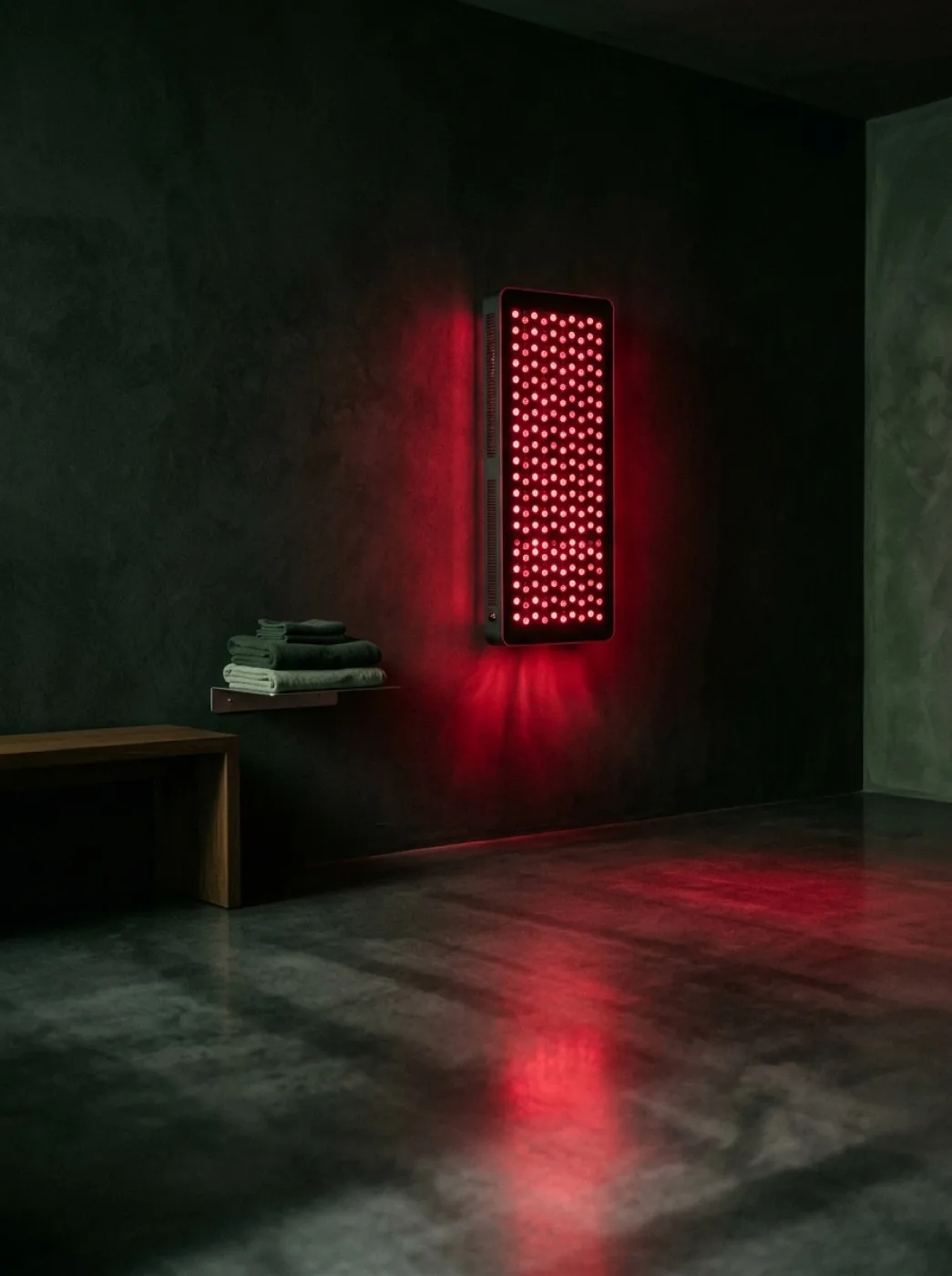
Low-level laser and red-light therapy is FDA-cleared and produces measurable hair-density gains in early-to-moderate pattern hair loss, about 17 to 42 more hairs per square centimetre in controlled trials, but it stimulates only existing follicles, must be used indefinitely, and cleared wearables range from $449 to $3,000 with materially different diode counts and coverage.
Worth it as an adjunct for early-to-moderate thinning if you will use it for years and buy on dose per dollar. A roughly $800 272-laser cap makes more sense than a $3,000 one. HigherDOSE is the cheaper cleared LED entry, not a same-dose substitute. Minoxidil and finasteride remain the higher-evidence, lower-cost foundation.
272 lasers, FDA-cleared, twelve-month guarantee. The same diode dose as caps that cost three times more, which makes it the value floor for a hands-free cap.
Eighty lasers at 680nm in a rigid full-coverage helmet, with no filler LEDs padding the count. Fewer diodes than the big caps, but every one is a laser.
From the brand that earned the first 2007 FDA clearance. Forty-one lasers you reposition across the scalp, the lowest-priced cleared device that still delivers a real dose, if you will do the routine.
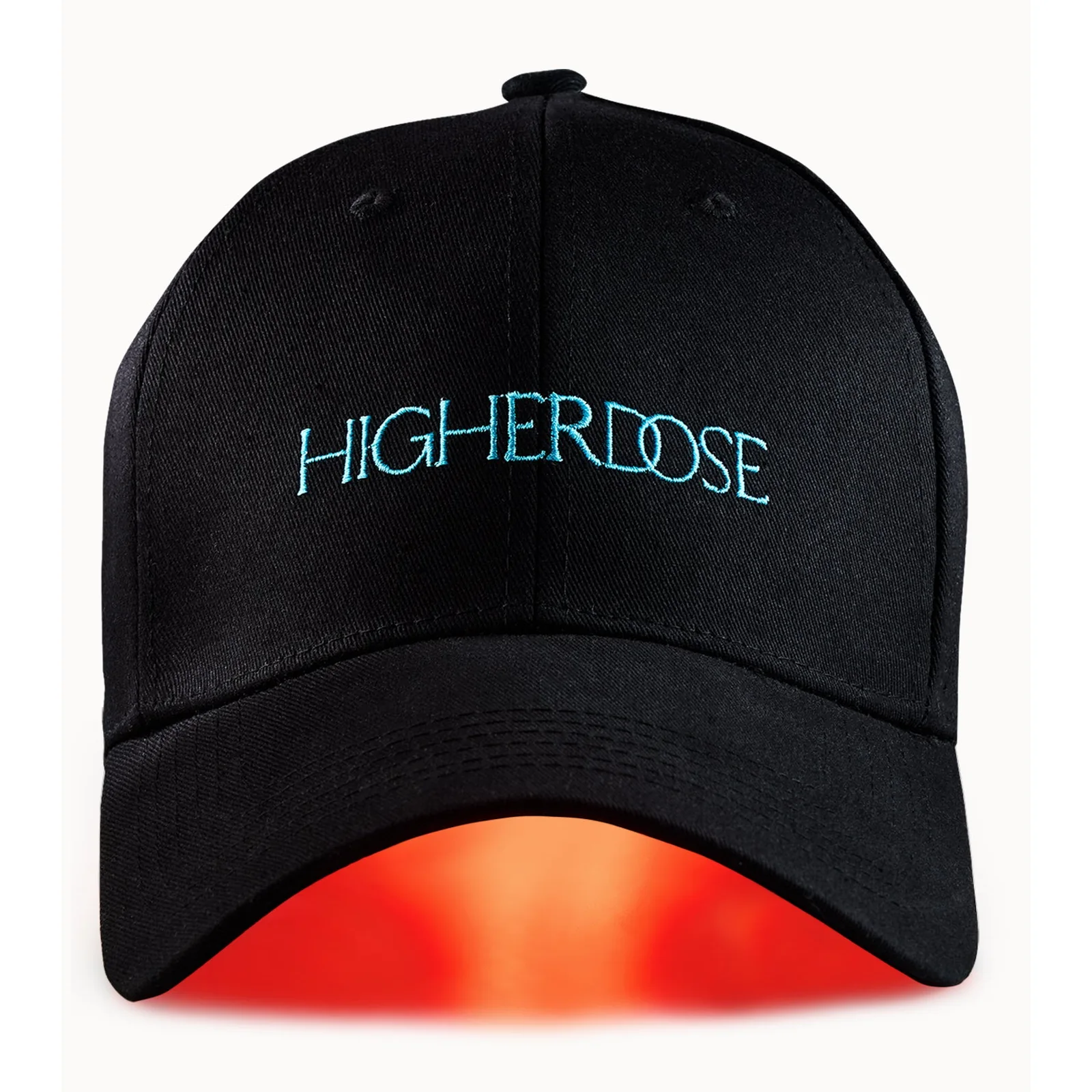
FDA-cleared K242363, with 120 LEDs at 650nm in a cordless hat and a ten-minute daily routine. It is the cheapest hands-free option here, but an LED hat with fewer diodes is not evidence of the same dose or coverage as a 272-laser cap.
Affiliate link. We may earn a commission; the relationship does not change this pick or its caveats.Cleared and legitimate, but you are paying three to four times the price of an equivalent-dose cap with no head-to-head trial showing it grows more hair. Prestige and clinic packaging, not proven extra regrowth.
The highest-value move in early pattern hair loss is not a light. In the best head-to-head meta-analysis of twenty-three trials, finasteride added about 18 hairs per square centimetre, red light therapy about 18, and 5% minoxidil about 15, all clearly beating placebo, and the two drugs cost a fraction of any cap. Red light is best understood as an adjunct you add to that foundation, not a replacement for it.
So before you spend $800 to $3,000 on a device, the rational first step is generic minoxidil and a conversation with a physician about finasteride. The hair-loss societies suggest red light works in synergy with these drugs, but the controlled trials on combining it with minoxidil disagree, so treat the device as an addition to the foundation, not a multiplier of it. This is not medical advice, and finasteride carries a real if uncommon sexual-side-effect risk, but the evidence order is clear: drug first, light as a bolt-on.
Within limits, yes. Pooled randomised trials show a genuine increase in hair density versus sham devices, a standardised mean difference around 1.3 in the meta-analyses, and a sham-controlled helmet trial recorded roughly 42 more hairs per square centimetre in the treated group against almost no change in the placebo group. It is FDA-cleared for androgenetic alopecia, the common male and female pattern thinning.
The limit is biological. Light stimulates follicles that are alive and miniaturising; it does not create new ones. On a scalp that is already slick-bald the follicles are gone and there is nothing to act on. The professional society’s framing is honest: roughly nine in ten users stabilise or slow the loss, but only about six in ten of those who had lost hair see regrowth, and that regrowth is of miniaturised hair.
The mechanism is photobiomodulation: red light around 630 to 670nm is absorbed by cytochrome c oxidase in the follicle’s mitochondria, nudging follicles from the resting phase back into the growth phase and extending it. The exact pathway is still not fully mapped, which is worth saying plainly given how confidently the category sells it.
That mechanism predicts the responder. Early-to-moderate thinning with follicles still in play responds; advanced loss does not. If your hairline is receding but the crown still carries fine hair, you are the candidate. If the crown is bare skin, save your money.
The phrase doing the heavy lifting on every product page is "FDA-cleared," and it is not the same as "FDA-approved." Clearance is a 510(k) finding that a device is substantially equivalent to one already on the market and safe and effective for its stated use, here androgenetic alopecia. The first home device to earn it was the HairMax LaserComb in 2007. It is a real bar, but a lower one than the drug-approval process behind finasteride.
What that means for a buyer: clearance tells you the category works and the device is safe, not that one particular cap outperforms a cheaper cleared one. Every 272-laser cap on the market clears the same bar. So "FDA-cleared" is a reason to trust the mechanism, never a reason to pay the premium price, because the $800 cap and the $3,000 cap carry the identical clearance.
Clinical devices cluster at 650 to 680nm, with fluence around 1 to 10 J/cm² and a modest power density. In practice the variables that separate a working device from a toy are diode count, even scalp coverage, and whether you will actually wear it for the prescribed minutes several times a week. Brand prestige is not on that list.
Caps and helmets give hands-free, full-scalp coverage and are the easiest to stick with. Bands and combs are cheaper but cover less and need repositioning, so the practical dose per session is lower. Choose by coverage and by what you will use consistently, because consistency over months is the whole point.
Here is the part the device pages bury: a 272-laser cap delivers a similar dose whether it costs about $800 or about $3,000. The illumiflow 272 lists near $799; the Capillus PRO and PRO S1 run $2,124 to $2,999 for the same order of diode count, and no head-to-head trial shows the expensive cap grows more hair. That is a three- to four-fold premium for packaging. A repositioned band like the HairMax LaserBand 41 costs around $569. HigherDOSE drops to $449 and keeps hands-free coverage, but it uses 120 LEDs rather than a 272-laser layout. Its FDA clearance and easy routine make it a credible budget entry, not proof of an equivalent dose.
Watch two tricks. Some devices pad their headline count by mixing LEDs in with the lasers, so a "282-diode" number can hide a much smaller laser dose. The iRestore Professional is the clean example: it advertises 282 lasers and LEDs, but only 82 are lasers; the other 200 are LEDs inflating the count without matching the laser dose of a true 272-laser cap. Count lasers, not the marketing total.
The second trick is the return terms. Restocking fees of around 25% on the premium caps quietly raise the cost of finding out it did not work for you, and a six-month minimum trial means that mistake is slow to surface. Buy on dose-per-dollar and real coverage, with the guarantee and restocking terms read before you click.
Plan on months, not weeks: reduced shedding around three months, visible regrowth typically four to six months, fuller results near a year. Anyone promising faster is selling.
The catch that turns a purchase into a subscription: pattern hair loss is progressive, so the gains depend on continued use. Stop and the follicles drift back. This is the same maintenance logic as minoxidil, and it should be priced into the decision before you buy, not discovered after.
Skip it if the target area is fully bald, because there are no follicles to stimulate. Skip it if you will not commit to using it for years, because the benefit reverses when you stop. Skip the $2,500-plus caps specifically, because the same dose is available at a third of the price. And if you have not tried the cheaper, higher-evidence baseline of minoxidil first, start there.
This guide is informational, not medical advice. Pattern hair loss has other causes worth ruling out, and finasteride is a prescription decision. Talk to a dermatologist before you build a plan, especially if the loss is sudden, patchy, or comes with other symptoms.
In early-to-moderate pattern loss, yes: controlled trials show real density gains versus sham, but only in follicles still alive and miniaturising, not on fully bald scalp.
Roughly comparable in the best head-to-head data, but it is best treated as an adjunct. The drugs are higher-evidence and far cheaper, so most people should start with them.
Reduced shedding around three months, visible regrowth at four to six months, fuller results near twelve. It is a months-long commitment, not a quick fix.
Effectively yes. The condition is progressive and the device stimulates existing follicles rather than curing the cause, so gains fade if you stop.
No evidence it is. A 272-laser cap delivers a similar dose at either price, and no head-to-head trial shows the premium device grows more hair.
It is FDA-cleared, not approved, a 510(k) clearance as safe and effective for pattern hair loss, which is a lower bar than drug approval. The HairMax LaserComb was first in 2007.
Unclear. One 2025 meta-analysis found no added benefit and another found a modest one, so do not buy a cap on the promise that it boosts minoxidil.
By David Persson · Updated 2026-07-26 · Corrections: hi@agewell.guide
The Agewell Briefing
A sourced weekly read on longevity products, clinics and research, with a clear answer on what is worth trying.
One email a week. Unsubscribe with one click.