Skip to the shortlist
AgewellTHE INDEX · Q2 2026Get the Briefing
EQ-05BUYPROTOCOL STAGE III

Red light therapy panels, scored: the spectrometer, not the box

Red light panels are a defensible $150–1,500 buy for skin, hair and localized recovery. The whole comparison is measured irradiance – and almost nobody measures it honestly. Brands quote solar-meter readings that run two to three times high; on a spectrometer, almost no panel clears ~90 mW/cm² at six inches. We rank on the measured number, not the box.

EVIDENCE
6.2
VALUE
7.4
By David Persson · UPD 2026-06-12 · 11 min
Before you buy: what buyers ask →
Red light therapy panel glowing in a dark room – deep green-black mood, no people

“The accessible end of the ledger – and the most distorted by marketing. Irradiance per dollar, measured at a real distance, is the whole comparison.”

Skin, hair and localized recovery evidence is fair. Systemic claims – testosterone, thyroid, fat loss – outrun the data, and the brands shouting them loudest are usually the ones quoting solar-meter irradiance.

The shortlist · Red light therapy

Two to buy. One we flagged.

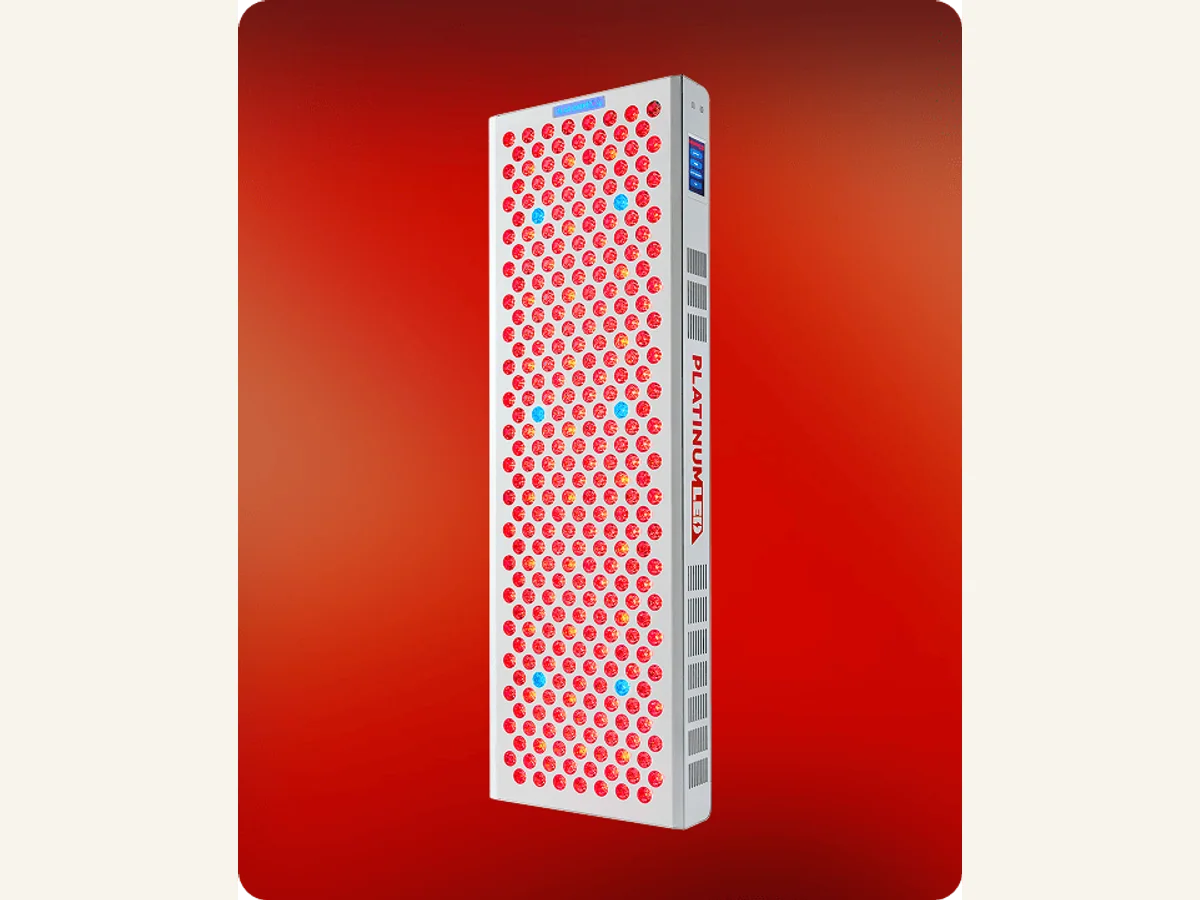
PRESS KIT · Full-body panel, manufacturer asset
THE PICKMEASURED #1 IN INDEPENDENT TESTING

PlatinumLED BIOMAX 900

Full-body · seven wavelengths · ~$1,234

$1,234
Buy it for
  • Highest spectrometer-verified irradiance in independent testing – about 90 mW/cm² average at six inches, against an advertised 185
  • Seven wavelengths from 630 to 1060nm, including deeper near-infrared, not just the usual 660/850 pair
  • Three-year warranty with a 60-day return window
Skip it if

You only treat your face – a desk panel puts the same dose on that spot for a fraction of the price and footprint.

Check price →No affiliate link. PlatinumLED pays referral store credit, not a publisher commission – so the panel we rank first earns us nothing. That is the point.
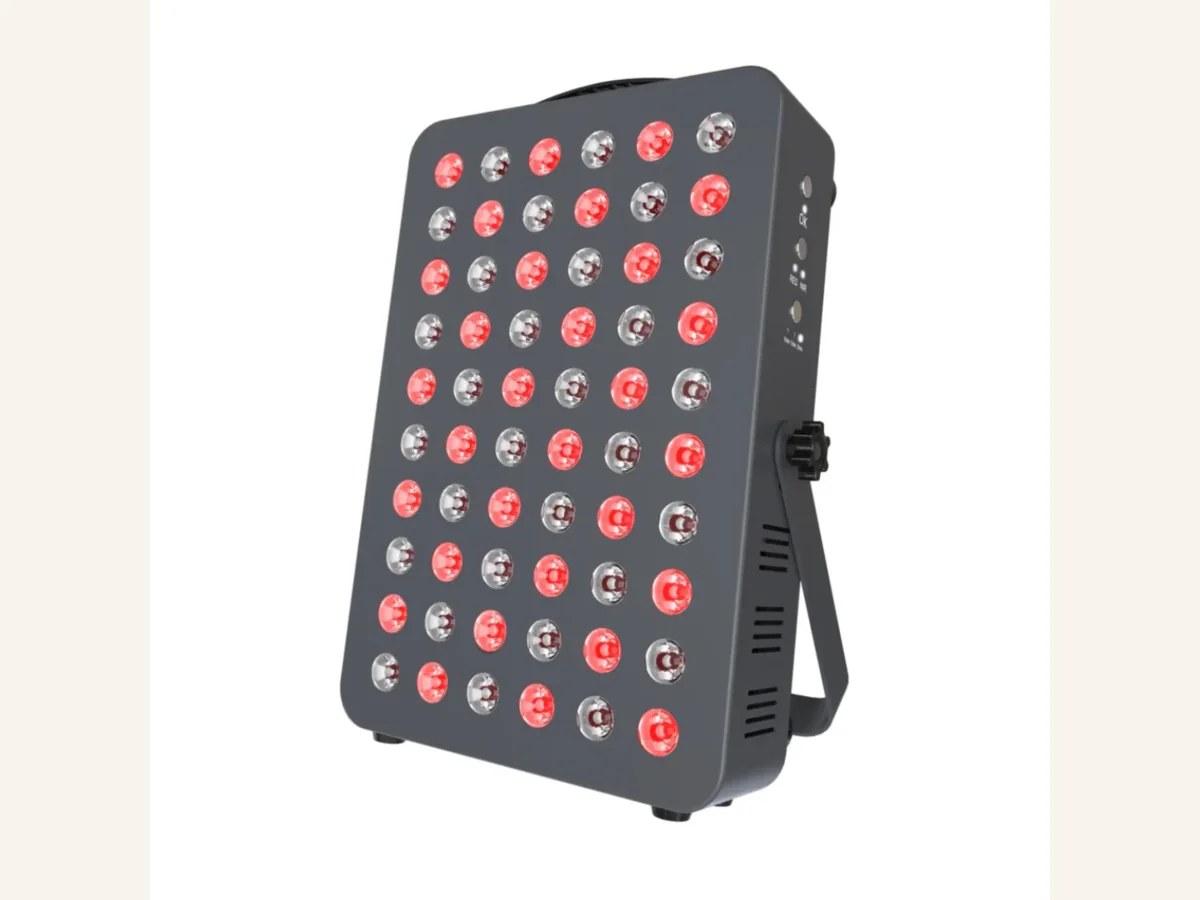
PRESS KIT · Desk panel, manufacturer asset
THE BUDGET PICKSPECTROMETER ~55 mW/cm² AVG @ 6"

Hooga HG300

Targeted / desk · 660 + 850nm · ~$149

$149
Buy it for
  • Independently measured at about 55 mW/cm² average at six inches – real output, enough for face, neck and a single joint
  • Compact and quiet enough to actually use daily; two-year warranty
  • Dual 660/850nm at a price that makes the premium panels justify themselves
Skip it if

You want whole-body coverage, or you are flicker-sensitive – its driver pulses at about 100 Hz, invisible to you but measurable on slow-motion video.

Check price →Direct link to the manufacturer. No affiliate commission on this page yet – when one goes live it will be marked and disclosed here.
AI IMAGE · Abstract panel silhouette – no brand identifiable
THE ONE WE FLAGGEDFLAGGED Q2 2026

The advertised-irradiance number

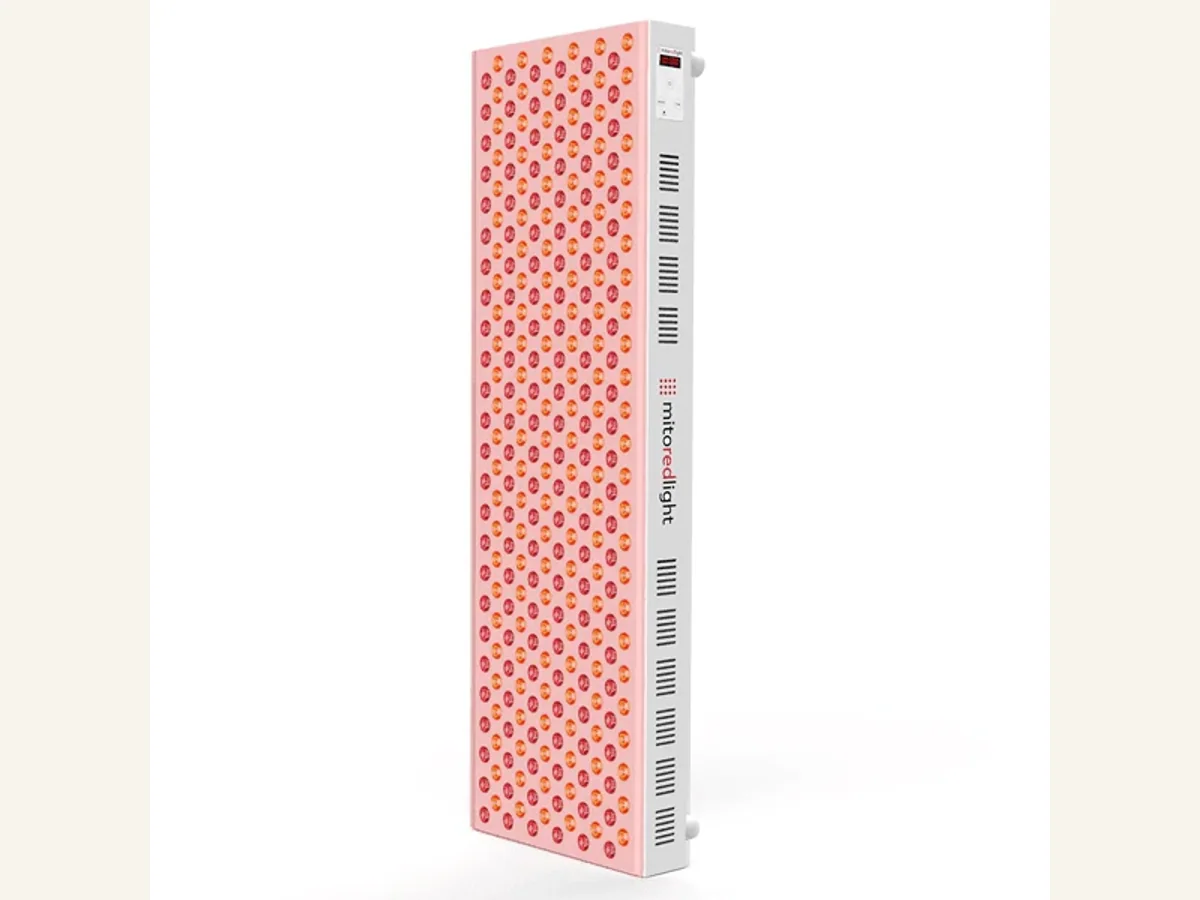
Worked example: Mito Red Light MitoMEGA 2.0

>165 vs >74
Why it failed

The category’s favorite spec is a solar-meter reading that runs two to three times high. Mito is the rare exception: it advertises “>165 mW/cm² at 6 inches” and prints the spectroradiometer figure right beside it – “>74”, under half. Most brands print only the big number. Flag the metric, not the one company that prints both – and buy on the 74.

Before you spend

Before you spend: the four numbers that matter

I

Irradiance, measured

mW/cm² from a spectrometer at a stated distance – not a solar meter, which over-reads LED light two to three times. The strongest full-body panels reach about 70–90 at six inches; a real therapeutic dose needs roughly 20–40 at your treatment distance. Below that, sessions stretch past half an hour.

II

Flicker

Cheap drivers pulse the LEDs – invisible to you, obvious as dark banding on a 240fps phone video. It is linked to headaches and eye strain; well-built panels measure near 1%, PWM-dimmed budget units up to 100%. Precautionary rather than proven harmful, but free to avoid.

III

EMF at distance

There is no panel-specific EMF limit, so “EMF-free” is unregulated marketing. The sane target is a magnetic field near or below 3 mG at your use distance, falling to background by six inches. It only matters at near-contact use – and ignore any “zero EMF” claim that omits a distance.

IV

Warranty with a name

Two years is standard, three on premium panels. Under two years on an expensive panel is a flag, and a “lifetime” warranty from a dropshipper with no fixed address is worth nothing when the diodes dim. The warranty is only as good as the company that has to outlive the LEDs.

The evidence log

The evidence log

Manufacturer specs cross-checked against independent spectrometer testing and published owner measurements. Advertised irradiance shown beside the measured figure; the inflated row is flagged.
ModelAdvertised @ 6"Measured @ 6"WavelengthsEMFWarrantyStreet price
PlatinumLED BIOMAX 900185 mW/cm²~90 (spectrometer)630–1060nm · 7-waveLow (brand-stated)3 yr$1,234
Hooga HG300~73 mW/cm²~55 (spectrometer)660 + 850nmLow at distance2 yr$149
Mito MitoMEGA 2.0>165 mW/cm²>74 (brand lab)630–850nmLow (brand-stated)3 yr$1,099

Before you buy

What buyers ask about red light therapy.

Do red light therapy panels actually work?

For three things the evidence is genuinely solid: it stimulates collagen and improves skin texture, it helps regrow hair in pattern (androgenetic) hair loss, and it offers low-to-moderate relief for some localized pain. Results are gradual – skin typically takes four to eight weeks of three-to-five sessions a week. Beyond skin, hair and pain, most claims outrun the data.

What irradiance should a red light panel actually have?

Aim for a verified 20–40 mW/cm² of therapeutic light at your real treatment distance, roughly six to twelve inches. Brands disagree because many measure with solar meters meant for solar panels, which read two to three times high, or press the meter against the diodes. Treat any claim of “100+ mW/cm² at six inches” on a standard panel as a marketing number, not a measured one.

Are cheap Amazon panels good enough?

You do not need the most expensive panel, but the cheapest are a real risk: many publish irradiance figures they never independently verified, with weaker LEDs or off-spec wavelengths. A mid-tier panel with third-party spectrometer data usually beats both the bargain-bin unit and the brand-name premium on dollars per verified milliwatt. Pay for measured specs and a return window, not the logo.

660nm or 850nm – which wavelength do I need?

660nm red light penetrates shallowly, about eight to ten millimeters, and is the one that matters for skin, collagen and wound healing. 850nm near-infrared goes deeper, into muscle and joints, so it is the one for recovery and deeper pain. A dual-wavelength panel covers both; if you only care about your face, a red-only device is enough and often cheaper.

Can red light therapy raise testosterone or burn fat?

No – not at home-panel doses, on the current evidence. Controlled human trials supporting testosterone, thyroid or meaningful fat-loss claims are absent or very thin, and the few suggestive studies use lab-grade equipment in clinical settings, not consumer panels. Buy a panel for skin, hair or localized pain, and treat the hormonal and fat-loss marketing as unproven.

What we read

The positions on this page trace to primary research and independent testing – not the marketing pages.

The Agewell Briefing

When a score moves or a claim fails the document check, you hear it here first.

One letter a week – what to buy, what to question, what to skip. No sponsors inside the letter, ever.

One email a week. Unsubscribe with one click.