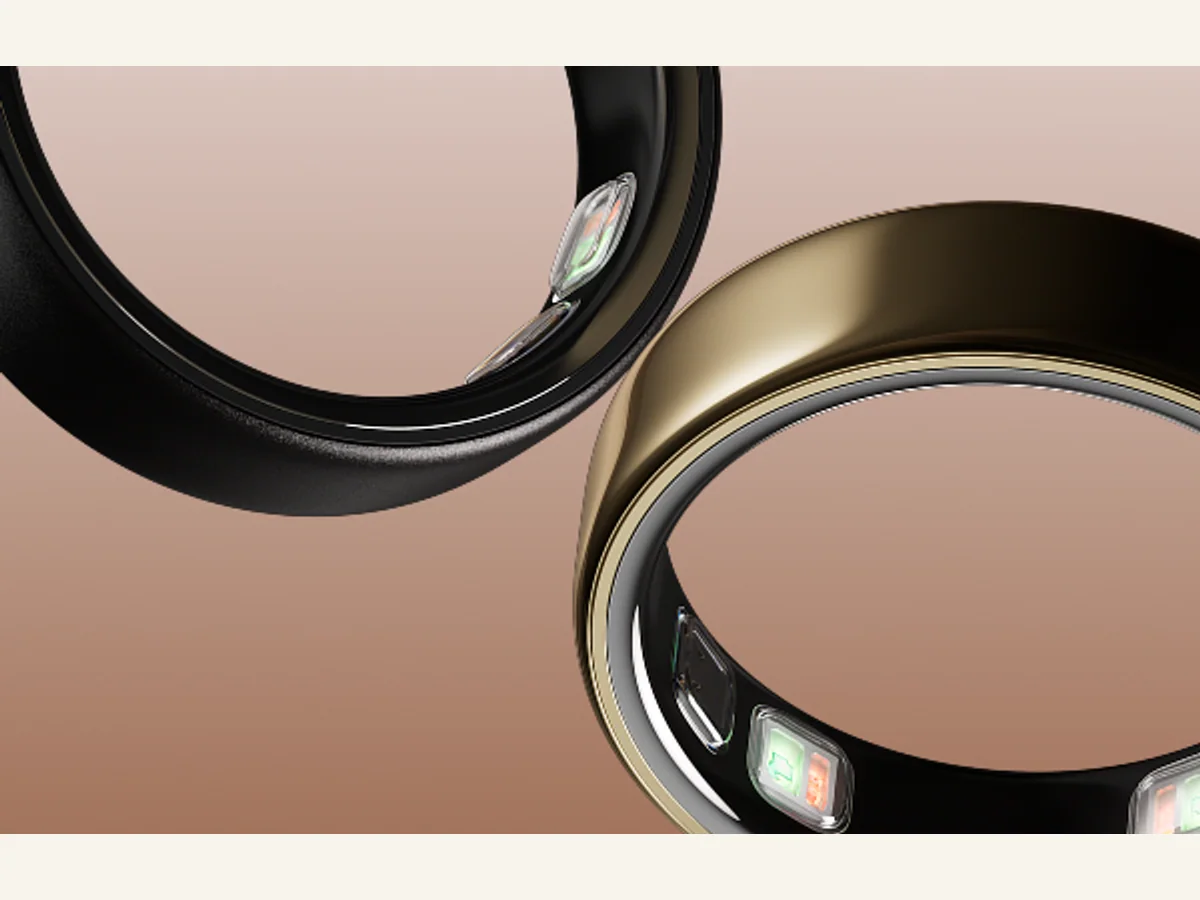
Sleep/readiness pick
Oura Ring 5
from ~$399 + membershipSmaller than Ring 4, finger-worn, discreet and strong for sleep/readiness trends. The subscription is part of the real price.
Buying guide · Best / compare
Oura is the quiet sleep-and-readiness ring. WHOOP is the training membership. Apple Watch is the useful smartwatch that also tracks sleep. Garmin CIRQA is the new screen-free, subscription-free band - promising on paper, but too new for an independent sleep-validation verdict.
Choose Oura Ring 5 for the strongest sleep-first balance of comfort, battery and independent validation. Choose WHOOP for training coaching, Apple Watch when smartwatch utility matters more than overnight battery, and Garmin CIRQA only if no screen and no subscription outweigh the lack of independent sleep testing.
Oura is the best sleep-first buy today. CIRQA is the most interesting new alternative, not the most proven one. Buy one tracker and judge it by the behavior it changes, not the number of scores it produces.
Smaller than Ring 4, finger-worn, discreet and strong for sleep/readiness trends. The subscription is part of the real price.
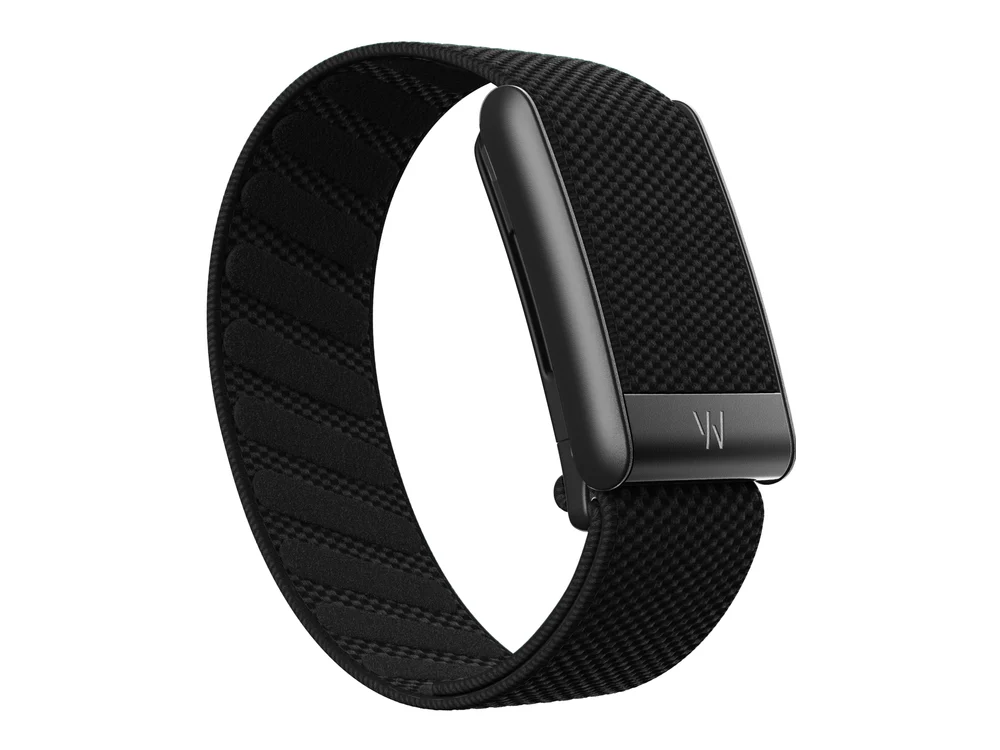
The better fit for people who train hard and want strain/recovery coaching. There is no meaningful ownership without membership.
The practical choice if you also want apps, notifications, safety features and workout GPS. Daily charging can make sleep tracking less consistent.
Screen-free, up to 10 days of battery and no subscription. Garmin says it tracks sleep stages, score, HRV and naps, but independent CIRQA sleep validation is not available yet.
Buy Oura if the main job is passive sleep and readiness tracking. Buy WHOOP if the main job is deciding how hard to train. Buy Apple Watch if you want one device for workouts, safety, apps and sleep. Put Garmin CIRQA on the shortlist if you want a screen-free wrist band, roughly 10-day claimed battery life and no required subscription.
Do not buy from a feature checklist alone. Finger versus wrist comfort, charging cadence and recurring cost determine whether the device is still collecting useful nights three months from now.
Consumer wearables estimate sleep from movement and cardiovascular signals; they do not measure the same brain, eye and muscle signals as clinical polysomnography. Independent studies suggest modern devices can be useful for trends, while exact sleep-stage minutes remain less dependable than total sleep and wake timing.
Oura and WHOOP have both appeared in peer-reviewed comparisons with polysomnography. Apple Watch has also been studied, though results depend on the model and software version. CIRQA launched on July 21, 2026, so there is not yet an independent, device-specific sleep study we can use. Garmin feature claims are documented below; an accuracy verdict is deliberately withheld.
Garmin lists sleep stages, sleep score, HRV status, respiration, Pulse Ox, skin temperature, nap detection, Body Battery, stress and more than 80 activity profiles. The band has no display, uses connected GPS from a phone and is advertised for up to 10 days between charges. At $199.99 with no required subscription, it directly attacks the ownership-cost problem in Oura and WHOOP.
That specification is not a test result. We have not worn CIRQA, compared it with a sleep lab or assessed its comfort over months. Early buyers are accepting new-product risk in exchange for lower ongoing cost. If sleep accuracy is the deciding factor, wait for independent validation and real-world battery results; if subscription avoidance is the deciding factor, CIRQA is already a credible documented option.
CIRQA has the cleanest ownership model: hardware purchase, no required subscription. Apple Watch also exposes its core sleep features without a wearable membership. Oura requires a membership for most useful ongoing insights, while WHOOP is fundamentally a membership product whose hardware is tied to an active plan.
Compare the total you will pay through year three, not the checkout price. Then ask whether you are buying sleep guidance, training coaching or a smartwatch. Paying for the wrong category is more expensive than choosing the second-best sensor in the right one.
WHOOP now connects blood panels through Quest with its sleep, strain and recovery data. That can make it more useful as a health operating system, but it also makes the cost stack more complex.
Do not choose WHOOP only because it offers labs. Choose it if you want lab results interpreted beside training and recovery data and are comfortable managing both the wearable membership and any separate testing purchase.
If a score will not change your bedtime, alcohol, exercise or recovery choices, skip all four. If you mainly need blood pressure, buy a validated cuff. If you need a diagnosis for insomnia or sleep apnea, speak with a clinician; a consumer tracker is not the test.
For sleep, readiness and low-friction daily wear, yes. For training strain, coaching and the labs ecosystem, WHOOP is the better fit.
Not automatically. Ring 5 is smaller and newer, but the upgrade only makes sense if comfort, fit or battery changes solve a real daily problem.
There is not enough independent evidence to say that yet. CIRQA is cheaper to own and has no required subscription, while Oura has a longer device-specific evidence trail and remains the safer sleep-first recommendation.
No. This is a documented first look based on Garmin product information and the current independent sleep-tracker literature. We will not label CIRQA tested until we have real wear data or credible device-specific validation.
By David Persson · Updated 2026-07-24 · Corrections: hi@agewell.guide
The Agewell Briefing
A sourced weekly read on longevity products, clinics and research, with a clear answer on what is worth trying.
One email a week. Unsubscribe with one click.