Skip to the shortlist
AgewellTHE INDEX · Q2 2026Get the Briefing
EQ-02BUY ONEPROTOCOL STAGE I

Trackers & diagnostics, scored: buy the one you will still wear in five years

You are not buying health – you are buying a high-resolution feed of numbers, and the only one that reliably moves your lifespan is the step count you would have hit anyway. The instruments mostly measure what they claim, but the chain from data to behavior to outcome is thin, and the subscription, not the hardware, is the real price. Buy one device you will actually wear for years; treat broad blood panels as a clinician-context tool, not a permanent anxiety dashboard.

EVIDENCE
5.0
VALUE
4.0
By David Persson · UPD 2026-06-12 · 9 min
Before you buy: what buyers ask →
A smart ring and a fitness band on a slab of dark slate in a low-lit minimalist room, no people

“Pick one device you will wear for years and skip the panel stack. A ring on every finger does not beat a habit you keep – and the membership, not the hardware, is what you are really buying.”

Resting heart rate and HRV on a good ring rival a clinical ECG; sleep staging barely beats a guess against a sleep lab, and the flattering numbers tend to come from manufacturer-funded studies. Trust the heartbeat, doubt the stage graph.

The shortlist · Trackers & diagnostics

Buy one. Skip the stack.

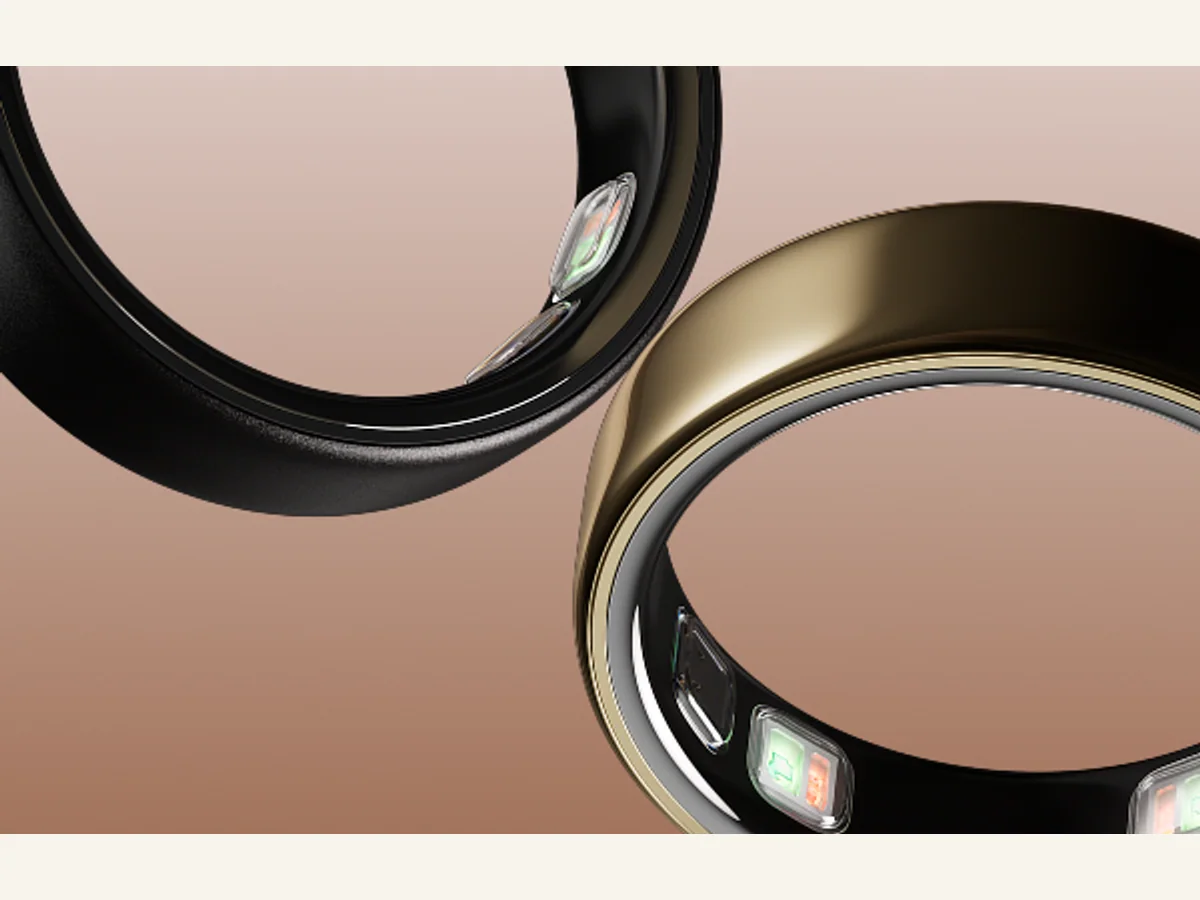
PRESS KIT · Smart ring, manufacturer asset
THE PICK · THE RINGRHR/HRV RIVAL ECG

Oura Ring 5

Smallest, most discreet ring · from ~$399 + ~$70/yr

$399 +sub
Buy it for
  • Resting heart rate and HRV measured close to ECG-grade in independent testing
  • Comfortable enough to wear every night, which is the whole point of a tracker
  • Ring 5 is smaller and lighter than Ring 4, with the same basic economic caveat: membership gates the useful insights
Skip it if

You will resent a ~$70/yr membership that gates the insights forever, or you will obsess over the “deep sleep” graph – the one metric that barely beats a coin toss against a sleep lab.

Compare trackers →Internal Agewell comparison guide. Manufacturer links, if used there, are disclosed in context.
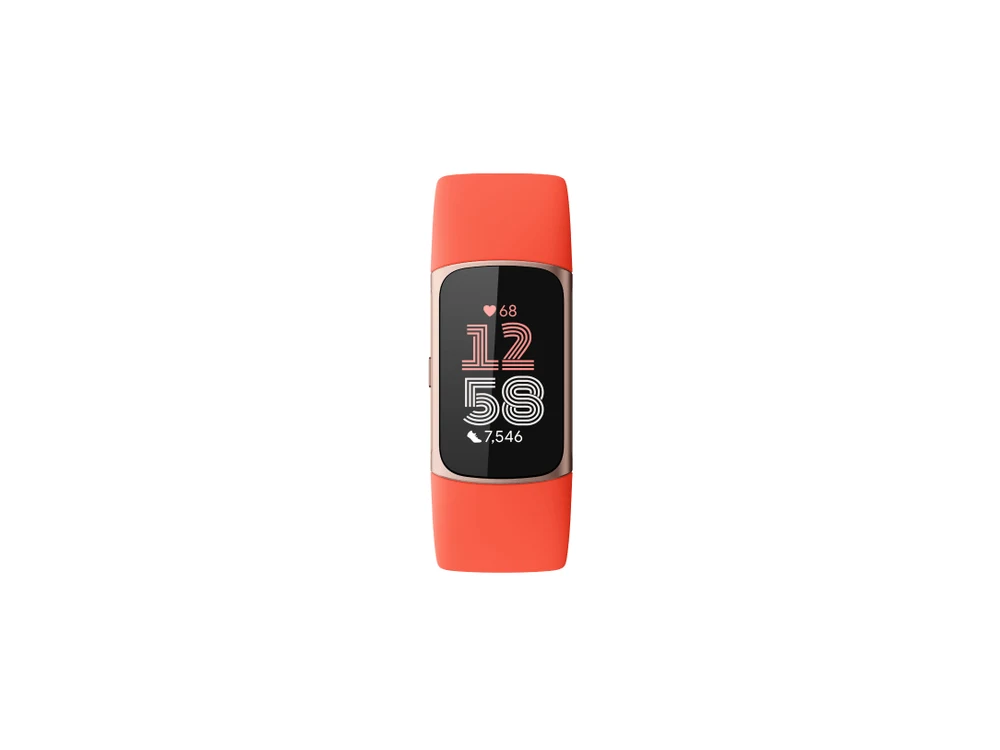
THE EVERYDAY PICKWORN DAILY

Fitbit (Google)

The always-on band you will actually keep wearing · the screenless Air from ~$99

from ~$99
Buy it for
  • So light you forget it is on, and worn through the night without noticing – the opposite of an Apple Watch that lives on its charger
  • A coach that genuinely drives activity, for very little money
  • Adherence beats accuracy: the tracker you actually keep wearing is the one that works
Skip it if

You want precise sleep stages or trustworthy auto-detected workouts. It over-flags interrupted sleep and misreads activity – it logged a moped ride as cycling. Buy it as a nudge, not an instrument.

Check price →Direct link to the manufacturer (Fitbit is now part of Google). No affiliate commission on this page yet.
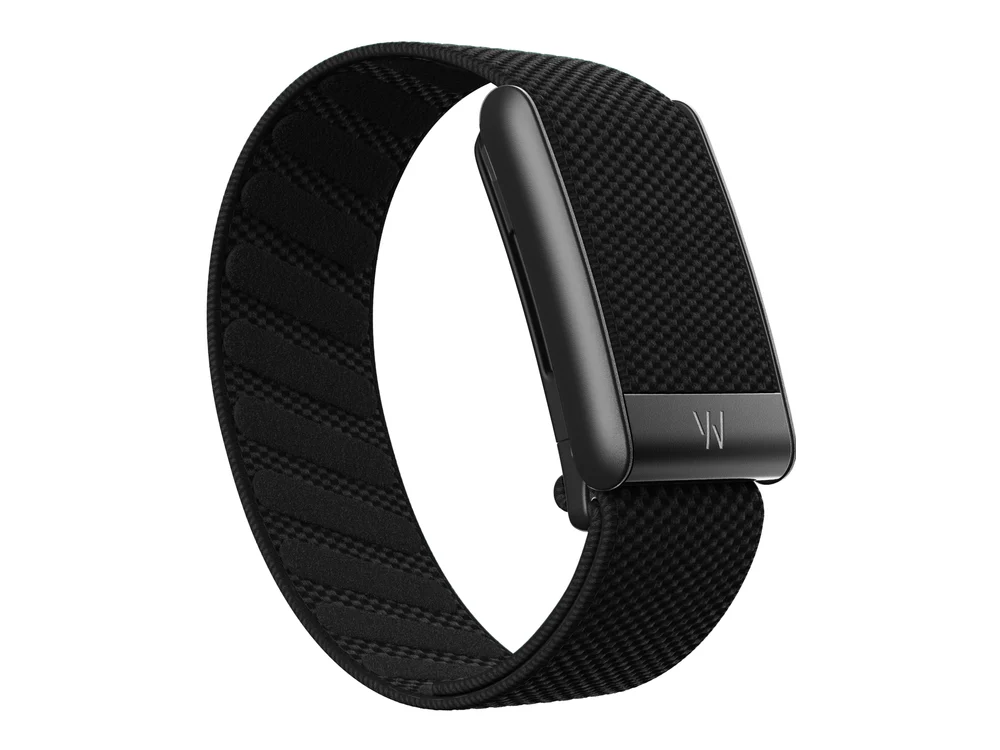
PRESS KIT · Fitness band, manufacturer asset
THE STRAPSTRAIN & RECOVERY FOCUS

WHOOP 5.0 / MG

No screen, no device cost – the membership is the product · from ~$199/yr

$199+/yr
Buy it for
  • No upfront hardware cost and a strong strain/recovery model for people who train hard
  • WHOOP MG adds the medical-feature tier; Advanced Labs makes the platform more useful if you actually test on schedule
Skip it if

You dislike lock-in – the membership IS the cost, there is no resale device to recover if you quit, and Advanced Labs credits can expire if you forget to use them.

Read labs review →Internal Agewell labs guide. We do not earn from the expiring-credit warning.
AI IMAGE · Abstract data still life – no brand identifiable
THE BLOOD PANEL, EXAMINEDQUALIFY BEFORE YOU BUY

Function / InsideTracker / Oura / WHOOP Labs

Comprehensive data, useful only with a next step

$99-899/yr
Buy it for
  • Function now anchors the low-cost broad panel at $365/yr for 160+ tests; Oura offers a $99 member panel; WHOOP links labs to training data
Skip it if

There are no outcome trials showing that broad, self-ordered biomarker screening of healthy adults extends life, and there is a real false-positive and overtesting cost. Buy bloodwork for a question, not as a permanent dashboard.

Compare panels →Internal Agewell comparison guide. Buy bloodwork for a defined question, not because the dashboard exists.

First-hand · Worn daily, on our own wrist

What it is like to actually live with one.

Full disclosure, and the whole point of writing under a real name: we actually wear a Fitbit band (now part of Google), and the everyday experience is its strongest argument. It is so light you forget it is on. You sleep in it without noticing, and unlike an Apple Watch, even the newer ones, it is not forever off your wrist on a charger. Always on, all the time, is the value.

The gripes. It is twitchy about sleep: get up once in the night and it declares the night interrupted, then files a fresh report when you lie back down, which gets comical. And it misreads activity. It logged a moped ride as cycling, and even after we corrected it to cycling it credited a single calorie, so the whole session had to be deleted. Treat the auto-detected exercise with suspicion.

The verdict from use: as a precise instrument it is not the Oura. As a cheap, always-on nudge with a coach that genuinely gets you moving, it is excellent, and adherence, not accuracy, is what changes outcomes. For very little money it is the easiest tracker to actually keep wearing, which makes it the one that works.

Before you spend

Before you spend: the four things that matter

I

Accuracy is metric-specific

Trust the heartbeat, doubt the sleep stages. Resting HR and HRV on a good ring rival ECG; “deep” and “REM” land around a coin-toss against a clinical sleep study, and the flattering numbers tend to come from manufacturer-funded studies. Do not make decisions on a stage graph.

II

The subscription is where the cost hides

The ring or strap is a one-time line item; the membership recurs forever and gates the insights – Oura ~$70/yr, WHOOP from roughly $199/yr, blood panels from $99 one-off to $899/yr. Price the years, not the sticker.

III

It only pays off if it changes behavior

Trackers reliably add activity – about 1,800 steps a day in meta-analysis – but effects on blood pressure, cholesterol and HbA1c are small and often non-significant. A tracker you watch but do not act on is a $200/yr pedometer.

IV

Panels can cost more than they find

Broad self-ordered blood panels and full-body scans have no longevity-outcome trials and a real false-positive problem that triggers anxiety, follow-up imaging and biopsies. More markers is not more health; it is more to chase.

The evidence log

The evidence log

Independent validation studies and published pricing. The pattern: the hardware measures heart signals well, struggles with sleep stages, and the recurring fee is the real cost.
DeviceMeasures wellWeak atAnnual costLock-in
Oura Ring 5RHR, HRV, temperature, sleep/wakeSleep staging (deep/REM)from ~$399 + ~$70/yrMembership gates insights
WHOOP 5.0 / MGStrain, recovery, HRV trends, labs contextNo screen; nothing to resellfrom ~$199/yr + labs12-month commitment; lab credits expire
Apple Watch / GarminActivity, HR, AFib notificationSleep staging; AFib PPV low in low-risk users$250–800 one-timeNone (no subscription)
Blood panels (Function / Oura / WHOOP / InsideTracker)50–160+ biomarkers, one snapshotNo outcome trials; false positives$99–899/yrRecurring draws and follow-up burden

Before you buy

What buyers ask about trackers & diagnostics.

Do health trackers actually improve your health?

They reliably nudge one thing – physical activity, by roughly 1,800 steps a day in meta-analysis – and that is worth something. But the effects on blood pressure, cholesterol and blood sugar are small and often non-significant, and a tracker only helps if it changes what you do. The data is the easy part; the behavior is the whole game.

Oura vs WHOOP – which should I get?

Oura Ring 5 is the better low-friction sleep-and-readiness tracker for people who want a ring. WHOOP 5.0/MG is built around training strain, recovery and now labs context. Buy the one whose single job matches yours, and wear it for years.

Are blood-test subscriptions worth it?

For most healthy people, only when the test answers a defined question. Function, Oura, WHOOP and InsideTracker have made bloodwork cheaper and easier, but there are still no trials showing that broad, self-ordered panels of asymptomatic adults extend life, and abnormal results need a clinician-owned follow-up path.

How accurate is sleep tracking?

Good at telling sleep from wake – the best rings and watches are over 95% sensitive – but weak at the stages everyone fixates on. Deep and REM detection lands around kappa 0.5–0.65 against a clinical sleep study, barely better than a guess, and the best-looking numbers tend to come from the manufacturers’ own studies. Use the trend, not the nightly breakdown.

What we read

The positions on this page trace to primary research and independent testing – not the marketing pages.

The Agewell Briefing

When a score moves or a claim fails the document check, you hear it here first.

One letter a week – what to buy, what to question, what to skip. No sponsors inside the letter, ever.

One email a week. Unsubscribe with one click.