Stelo vs Lingo: which OTC CGM to buy (Libre Rio still isn’t one)
Most comparison pages still run a three-way table: Stelo, Lingo and Libre Rio. Only two of those are for sale. Here is what Stelo and Lingo cost and measure today, and why waiting for Rio is waiting for a product that has not shipped since its 2024 clearance.
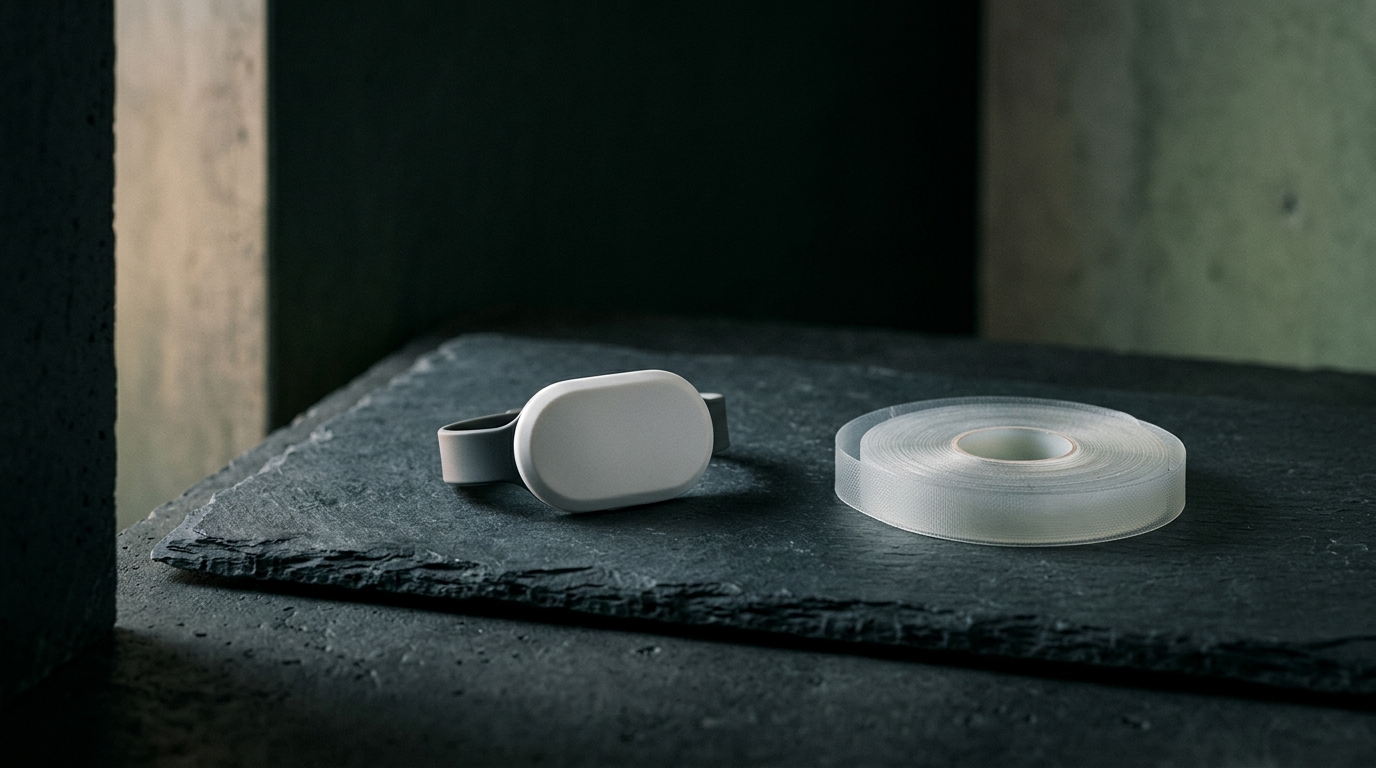
Editorial image, not a manufacturer photo. See the product cards below for the actual devices.
NARROW$54-99 to start, $84-89/mo after8 min
Answer-first
Stelo and Lingo are the only over-the-counter CGMs on sale in the US as of October 2026. Libre Rio was FDA-cleared in June 2024 but still is not listed on Abbott’s own consumer CGM site. Buy Stelo for the better-documented accuracy claim and direct data sharing with a clinician; buy Lingo for the cheaper two-week starter kit. Both apps now run on iOS and Android. Either way, run a two- to four-week audit, not an open-ended subscription.
Agewell verdict
Both are legitimate hardware for a short glucose audit if you are not diabetic. Neither has evidence that an ongoing subscription changes outcomes for someone metabolically healthy, so buy the cheaper starter kit, run it for two to four weeks, and cancel unless a specific finding gives you a reason, with a clinician, to keep going.
$99 one-time (2 sensors, 30 days) or $84-89/mo on subscription
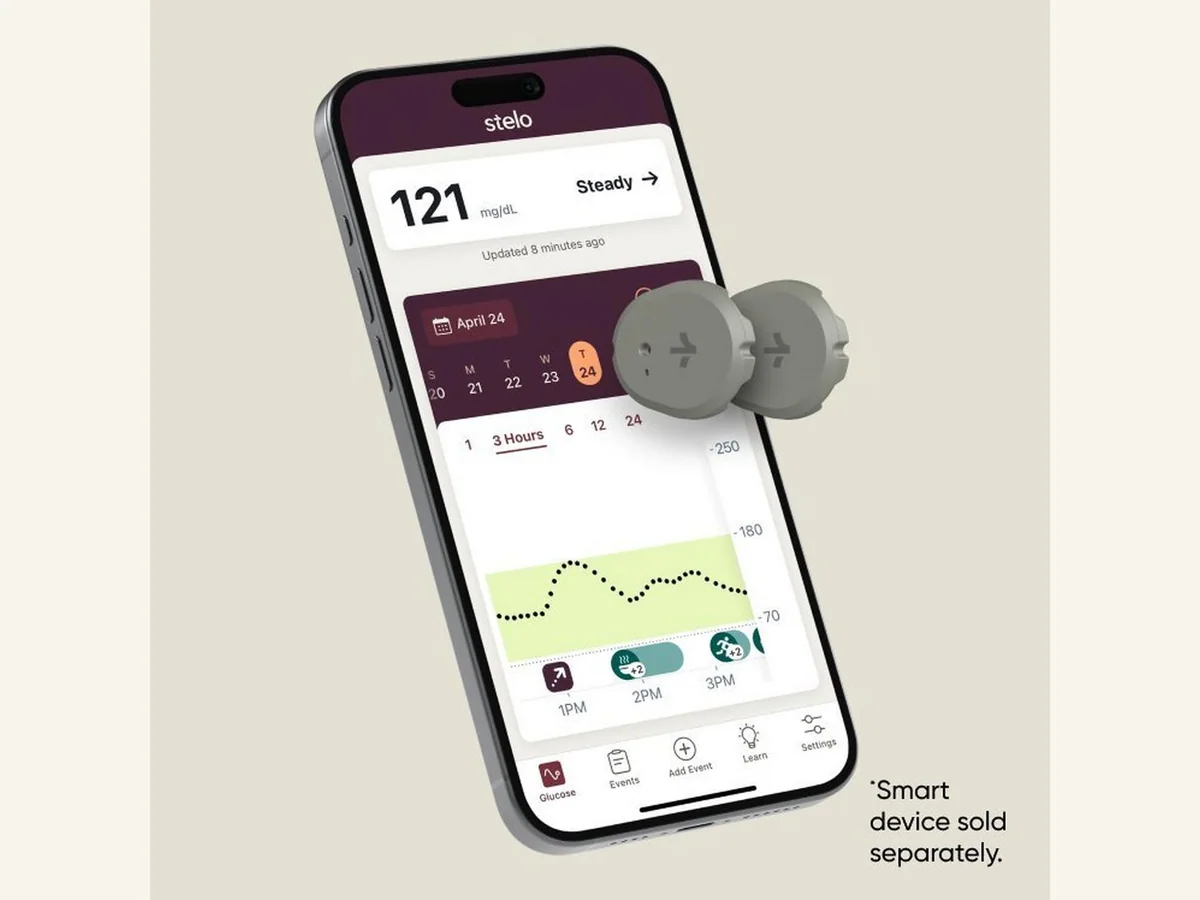
Dexcom states Stelo readings agree with lab reference values 93% of the time under the 20/20% standard, and the American Diabetes Association’s consumer guide separately lists an 8.3% MARD, a different accuracy metric from an independent source. Reads every 5 minutes, worn 15 days, displays 70-250 mg/dL, and is the only OTC option that shares data directly with a clinician.
$54 starter (1 sensor, 2 weeks), then roughly $84-89 per 4 weeks
Worn 14 days on the back of the arm, updates every minute, and leans on an in-app coaching layer rather than raw-data export. Independent comparison trackers place its accuracy around 9-10% MARD; Abbott has not published an equivalent figure as prominently as Dexcom has for Stelo, so treat that number as a secondary estimate, not a confirmed one. Works on iOS and, since December 2025, Android.
FDA-cleared in June 2024 for adults with type 2 diabetes who do not use insulin, with a stated 40-400 mg/dL range and 15-day wear. As of this check it is absent from Abbott’s own consumer CGM product page, and industry trackers report no full US commercial launch since the clearance. If a roundup lists it as an available third option, that roundup is repeating a 2024 press release, not checking the shelf.
Only two of these are actually for sale
Search "best OTC CGM" and most pages still run a clean three-way spec table: Stelo, Lingo, Libre Rio. Abbott cleared Libre Rio through the FDA in June 2024, the same announcement that introduced Lingo, and both were framed as launching together. Lingo shipped. Rio did not.
Checking Abbott’s own consumer CGM site directly, Libre Rio is not listed among its products, and no purchase page exists for it. Trade press that covers diabetes technology closely reports the same gap: cleared, never commercially launched, price never disclosed. Abbott’s more recent product news has centered on Libre Duo, a different multi-analyte sensor, not Rio. Biolinq Shine, cleared for over-the-counter use in September 2026, shows a color-coded range light rather than glucose numbers and has no announced price or launch date. If you are choosing an OTC CGM in 2026, you are choosing between Stelo and Lingo, not three options.
Price and wear time
Stelo costs $99 for a one-time two-sensor kit, a 30-day supply at the 15-day wear time. Subscribing knocks 10% off a one-month plan ($89) and 15% off a three-month plan ($252 for six sensors), so the recurring cost runs $84 to $89 a month if you keep it running.
Lingo’s starter offer is cheaper up front: $54 for a single 14-day sensor plus full app access and a 30-day money-back guarantee on that first purchase. Abbott does not headline its ongoing subscription price the way Dexcom does; independent trackers and community price posts converge on roughly $84-89 per 4-week cycle (two sensors) after the starter period, so confirm the renewal price at checkout before you let it auto-renew.
Accuracy, and what "accuracy" actually means here
Dexcom’s own claim for Stelo is that its readings agree with a lab reference 93% of the time under the 20/20% standard (within 20% of the lab value above 70 mg/dL, within 20 mg/dL below it). That is a manufacturer claim. Separately, the American Diabetes Association’s consumer product guide lists Stelo at an 8.3% MARD, a different metric from an independent source, not the same number restated.
Abbott has not published either an equivalent manufacturer accuracy claim or an ADA-listed MARD for Lingo as prominently. Independent CGM-comparison sites estimate Lingo around 9-10% MARD, but Agewell could not confirm that figure against a primary manufacturer or clinical-association document, so treat it as directionally similar to Stelo, not a settled number. Neither device requires fingerstick calibration.
What each is actually built for
Stelo reads every 5 minutes, displays a 70-250 mg/dL range, and is the only OTC device here built to share data directly with a clinician, which matters if you plan to bring the results to a doctor rather than just an app. It works on iOS and Android and syncs with Apple Health.
Lingo updates every minute and centers the experience on in-app coaching, translating glucose swings into food and habit suggestions rather than raw exportable data. That is a real difference in what you are buying: Stelo is closer to an instrument, Lingo is closer to a coached program. Abbott added Android support for Lingo in December 2025, so your phone no longer decides between the two.
The subscription is the real decision, not the sensor
Agewell’s existing read on CGMs for non-diabetics still holds: OTC clearance made these easier to buy, it did not prove that a healthy person needs a monthly glucose feed. The strong use case is short and specific, learn which meals spike you, test whether a walk after eating helps, then stop. The weak use case is an open-ended subscription that turns normal glucose variation into a permanent dashboard.
Buy the cheaper starter kit for your first audit rather than committing to either brand’s subscription immediately. If two to four weeks surfaces a specific, repeatable pattern worth acting on, bring it to a clinician before deciding whether a longer wear is worth the recurring cost.
Who should skip both
Skip if you use insulin: both devices explicitly exclude insulin users from their labeling, and that population needs a prescription CGM with clinical oversight, not an OTC wellness sensor. Skip, or set a hard stop date in advance, if you have a history of disordered eating or health anxiety, since minute-by-minute glucose data is exactly the kind of feed that can turn normal variation into restriction.
And regardless of which sensor you buy, remember the FDA’s separate warning still applies: no smartwatch or smart ring is cleared to measure blood glucose on its own. A watch can display a real sensor’s data; it is not the sensor.
FAQ
Is Stelo or Lingo more accurate?
Dexcom publishes a manufacturer accuracy claim for Stelo (93% agreement with lab values under the 20/20% standard) and the American Diabetes Association separately lists an 8.3% MARD. Abbott has not published an equivalent figure for Lingo as prominently; independent estimates put it around 9-10% MARD, unconfirmed against a primary source.
Can I buy Libre Rio yet?
Not as of this check. Abbott’s FDA clearance dates to June 2024, but Libre Rio is absent from Abbott’s own consumer CGM product page and industry trackers report no full US commercial launch since then.
How much does Stelo actually cost per month?
A one-time two-sensor, 30-day kit is $99. The one-month subscription is $89, and the three-month plan is $252, which works out to $84 a month.
Do I need a CGM if I don’t have diabetes?
Usually not as an ongoing subscription. A two- to four-week audit to see how specific meals affect you is a reasonable one-time experiment; an open-ended subscription is data most metabolically healthy people cannot act on.
Does Lingo work on Android?
Yes. Abbott added Android support for Lingo in December 2025, so both Lingo and Stelo now run on iOS and Android.
Should I keep the subscription running after my first sensor?
Only if it surfaced a specific, repeatable pattern worth acting on, and ideally with a clinician involved. Buying the cheaper starter kit and cancelling by default is the safer bet for most non-diabetic buyers.