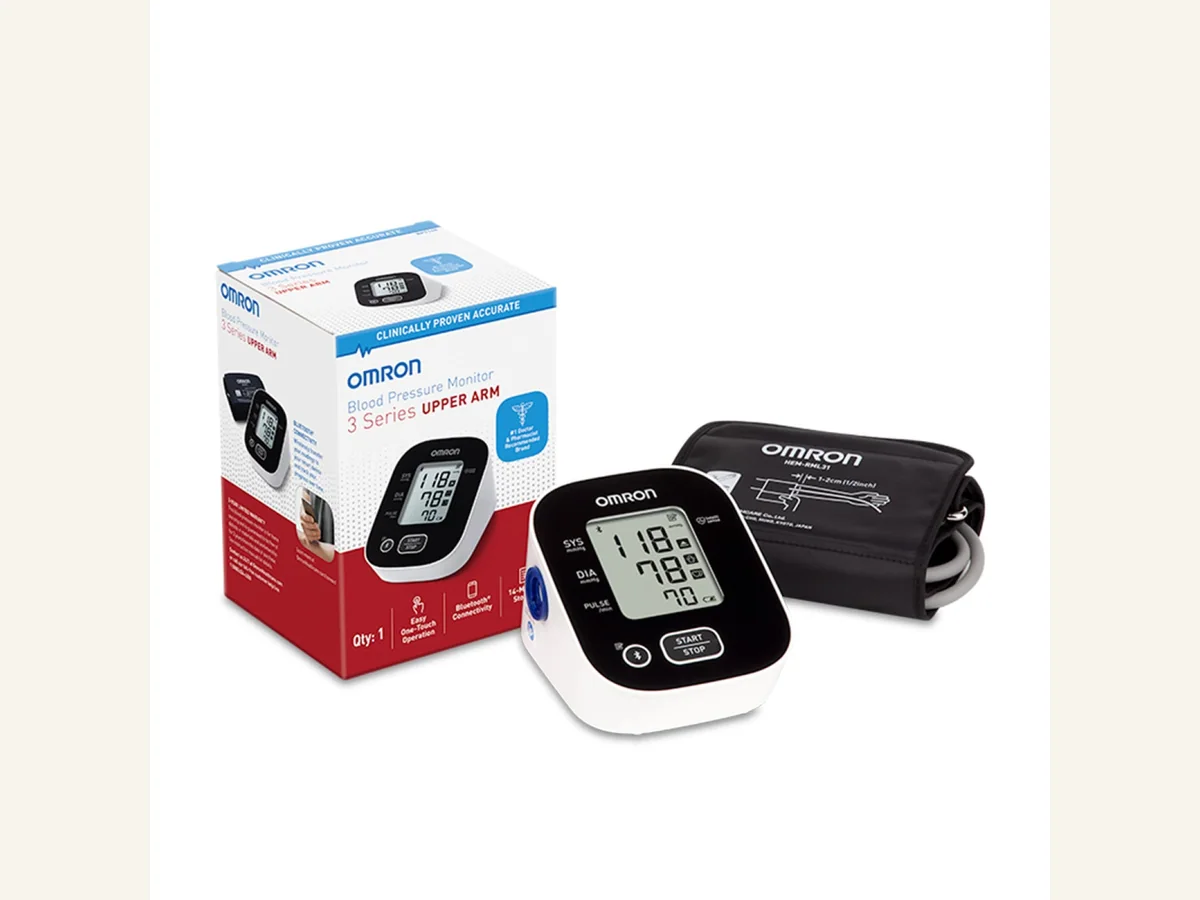
First device
Validated upper-arm BP cuff
$50-130The most useful cheap device in the house. Measure the same way repeatedly and bring the device to a clinician visit once.
Buying guide · Protocol / labs / first spend
Most longevity purchases happen in the wrong order. The Baseline Month puts friction back where it belongs: measure the silent risks, name the weakest pillar, then decide whether any device has earned a place.
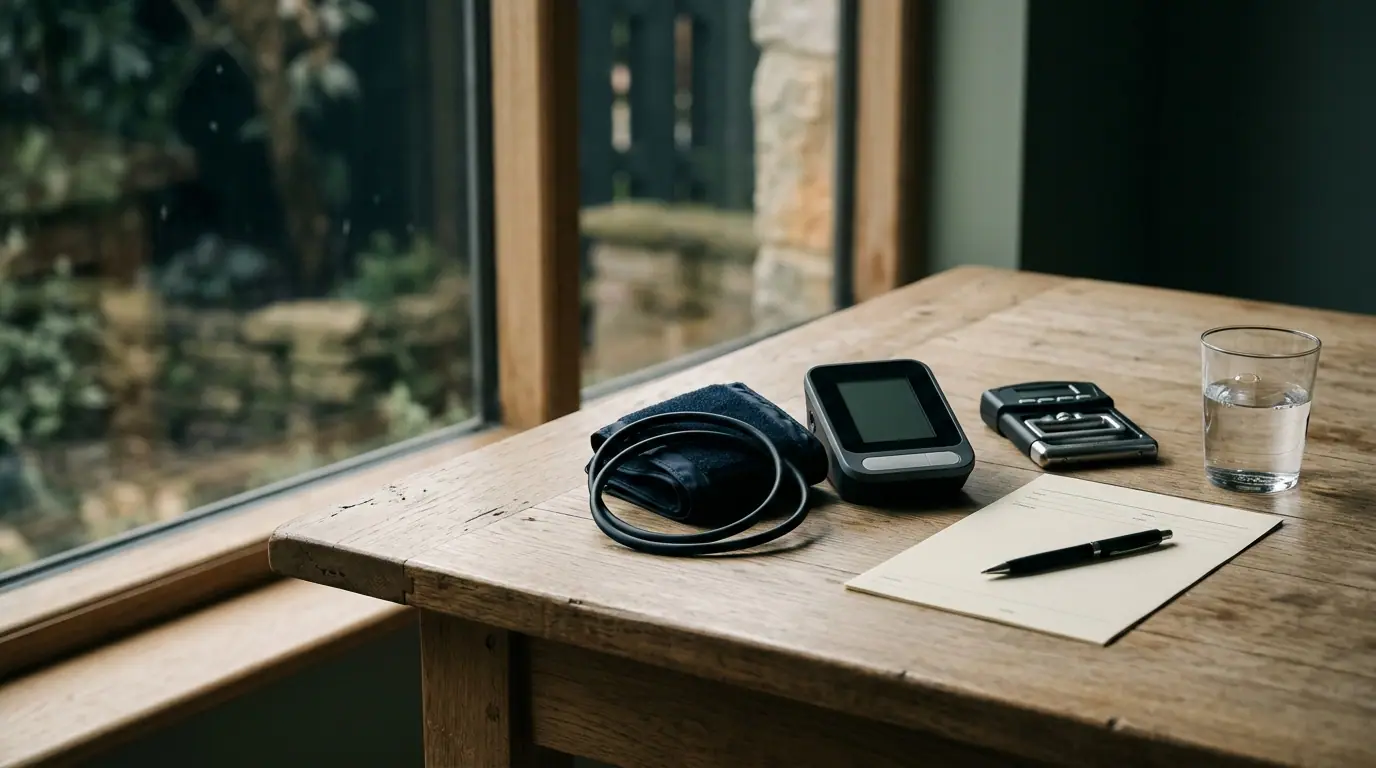
Before paying for devices, scans or a clinic program, a healthy adult aged 45 to 65 can measure the whole baseline for roughly $216 to $641 in cash (prices checked October 26, 2026): home blood pressure, a lipid panel with Lp(a) once, HbA1c, body composition, grip strength, a cardio field test and sleep regularity. The entry price of a full-body MRI is $899 and does not replace any of them.
Start here. The cheapest useful purchase is often the measurement that talks you out of the expensive one.
The most useful cheap device in the house. Measure the same way repeatedly and bring the device to a clinician visit once.
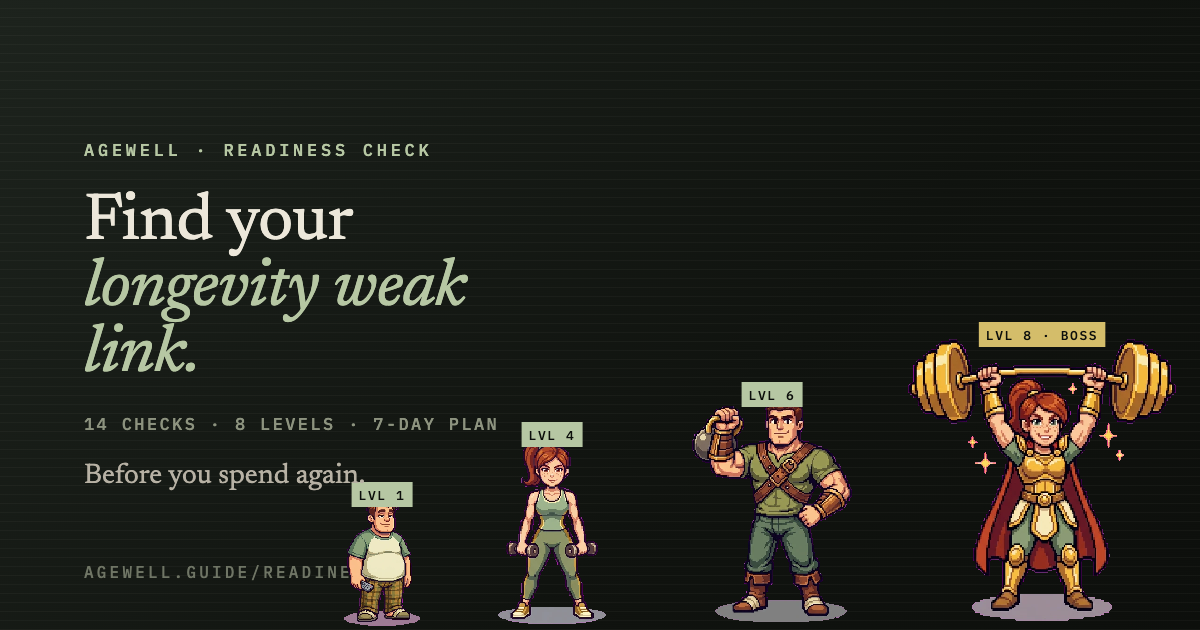
Names the weak pillar and gives a 7-day plan before you buy more gear.
Cash prices below come from each seller’s own product page on October 26, 2026. Quest lists a $6 physician service fee on each order, and Labcorp OnDemand showed 25% first-order discounts on some tests, so list prices are used here. Lab prices and ordering rules vary by state, and a self-ordered test is not billed to insurance. A clinician ordering the same tests may get them covered, which can make the out-of-pocket cost lower.
| Measure | What it shows or rules out | Cash price | Where | Repeat |
|---|---|---|---|---|
| Home blood pressure | Whether your readings are high enough to take to a clinician, measured the same way on several days | $50-70 for a validated upper-arm cuff (Omron 3 Series, see our cuff guide) | Pharmacy or online | Several days now, then periodically |
| Lipid panel | Total, LDL, HDL and non-HDL cholesterol and triglycerides | $59 at Labcorp OnDemand and Quest | Labcorp OnDemand, Quest Health | Ask your clinician |
| Lp(a), once | Inherited particle risk a standard lipid panel does not show. 125 nmol/L or higher is defined as high | $49 Labcorp OnDemand; $45 + $6 fee at Quest; $85 + $6 as a lipid + Lp(a) panel | Labcorp OnDemand, Quest Health | Usually once in adulthood |
| ApoB (selective) | Particle count behind LDL. The 2026 guideline recommends it selectively, not for everyone | $69 Labcorp OnDemand; The only Quest ApoB listing we found is the $215 + $6 Advanced Heart Health Panel | Labcorp OnDemand, Quest panel | Ask your clinician |
| HbA1c | Average blood sugar over about three months, which flags prediabetes and diabetes | $39 at Labcorp OnDemand; $39 + $6 fee at Quest | Labcorp OnDemand, Quest Health | Ask your clinician |
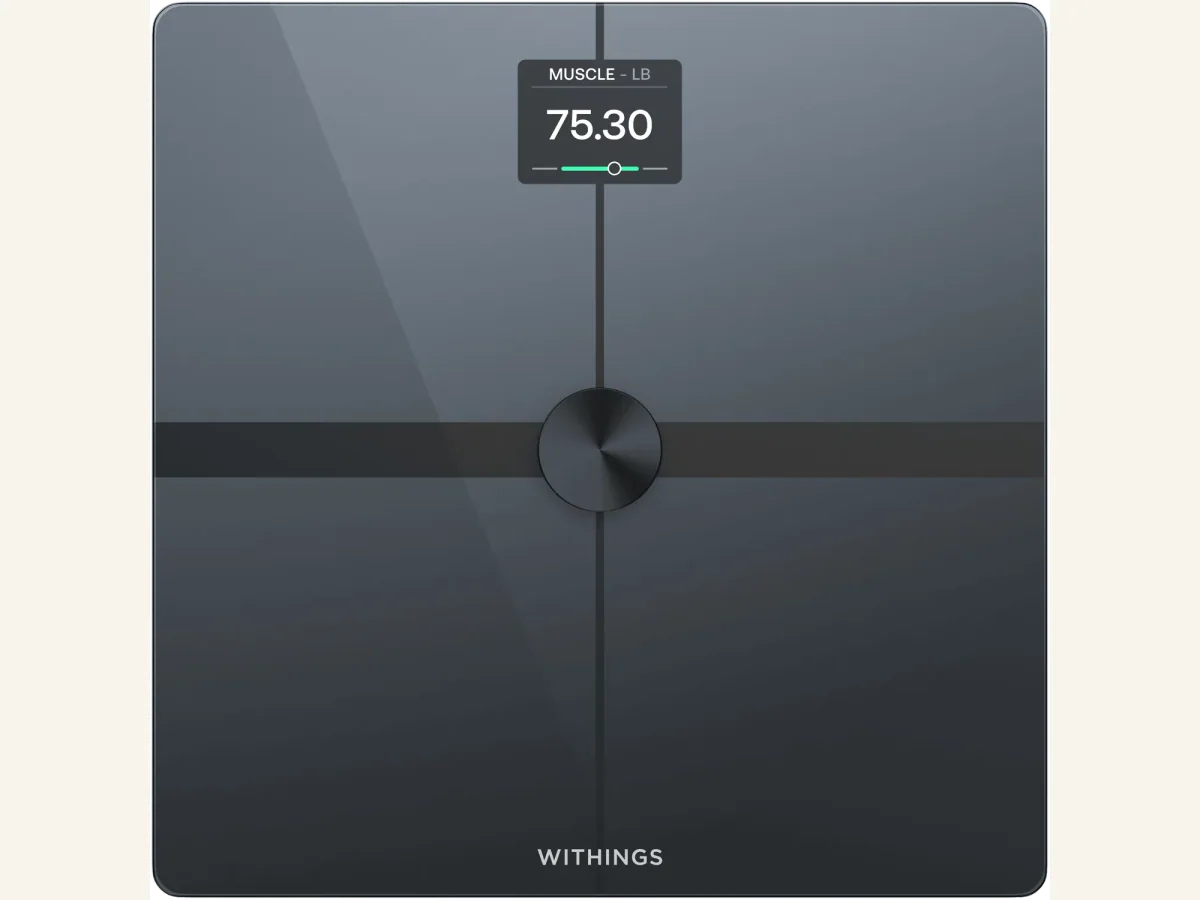
| Body composition | Fat, lean and bone mass. A smart scale shows only a weight trend | DEXA $59.95 (BodySpec single) to $285 (Fitnescity Manhattan); smart scale $30-400 | DEXA provider or smart scale | Once, then once a year at most |
| Grip strength | A strength benchmark against age and sex norms | $30-70 digital dynamometer | Online | Monthly trend |
| Cardio field test | A cardio fitness proxy, free; a lab VO2 max test costs more | Free for a field test; see our VO2 max guide for lab and watch options | At home | Every few months |
| Sleep regularity | Whether bedtime and wake time are consistent | Free with a notebook or a phone | At home | Two weeks, then spot checks |
| Package | What is in it | Cash total |
|---|---|---|
| Lowest-cost baseline | Quest lipid + Lp(a) panel ($85 + $6) and HbA1c ($39 + $6), $50 cuff, $30 dynamometer, BodySpec DEXA ($59.95) | About $276 |
| Lowest-cost baseline without DEXA | The same labs, cuff and dynamometer | About $216 |
| Fuller baseline | Labcorp lipid panel ($59), Lp(a) ($49), ApoB ($69), HbA1c ($39), $70 cuff, $70 dynamometer, Fitnescity Manhattan DEXA ($285) | About $641 |
| Full-body MRI, scan alone | SimonMed Core MRI or Ezra Annual MRI entry price, partial body coverage (see our full-body MRI cost guide) | From $899 |
Three items move up in this age range. First, Lp(a): the 2026 AHA/ACC lipid guideline says it should be measured at least once in adulthood, and midlife is a sensible time to learn a number that stays mostly fixed. Second, HbA1c: the US Preventive Services Task Force recommends screening for prediabetes and type 2 diabetes in adults aged 35 to 70 who have overweight or obesity (Grade B, 2021), so a normal-weight buyer should ask a clinician before assuming the test is routine. Third, blood pressure, because it is cheap and a result at or above target changes a medical conversation.
ApoB is the one most buyers over-order. The 2026 guideline release recommends it selectively, for people with cardiovascular-kidney-metabolic syndrome, type 2 diabetes, high triglycerides or known cardiovascular disease whose LDL cholesterol and non-HDL cholesterol are already at goal. If none of those fits you, a lipid panel and a one-time Lp(a) are the better first spend, and your clinician can tell you whether ApoB adds anything.
Measure home blood pressure calmly on multiple days. Ask your clinician whether ApoB or LDL particle number belongs in your next panel, and measure Lp(a) at least once in adulthood. Add HbA1c or glucose context when metabolic risk is unclear.
This is not a self-treatment plan. It is a visibility plan. Medication, symptoms and abnormal results belong with a clinician.
Choose a body-composition anchor: DEXA if the number matters, smart scale if trend is enough. Add a grip dynamometer or strength benchmark and one cardio measure: lab VO2 max if available, field test if not.
The purpose is not to collect trophies. It is to see whether the next lever is strength, engine, fat loss, blood pressure, lipids, glucose or sleep.
Use a tracker only if it changes one behavior: bedtime, alcohol, steps, Zone 2, training restraint or recovery days. Oura, WHOOP, Garmin, Apple Watch and Fitbit can all work if the job is defined.
If the device creates anxiety and no decision, stop paying for the dashboard.
Run the Readiness Check, name the weakest pillar and choose one 7-day intervention. Then decide whether any equipment purchase directly supports that intervention.
A red light panel, sauna, weighted vest or compression boots is easier to evaluate when it has a job. Without a job, it is decoration.
Start with blood pressure, a lipid panel, Lp(a) once, HbA1c, body composition, strength or grip, cardio fitness and sleep regularity. ApoB is recommended selectively by the 2026 AHA/ACC lipid guideline, so ask your clinician before paying for it.
About $216 to $641 in cash, checked October 26, 2026, depending on whether you add ApoB and a DEXA scan and which provider you use. A full-body MRI starts at $899 for the scan alone.
Not automatically. Full-body scans can be useful for selected buyers with follow-up ownership, but most people should start with cheaper, actionable measures.
A validated upper-arm blood-pressure cuff is often the better first device. A tracker comes next if it changes behavior.
By David Persson · Updated 2026-10-26 · Corrections: hi@agewell.guide
The Agewell Briefing
A sourced weekly read on longevity products, clinics and research, with a clear answer on what is worth trying.
One email a week. Unsubscribe with one click.