Best sleep methods 2026: test the basics before buying Eight Sleep
Sleep is the highest-leverage longevity intervention people try to buy last. The rational order is backwards: test the free levers, isolate whether heat is actually the problem, then decide whether a bed-cooling system solves a nightly bottleneck rather than decorating a short sleep window.
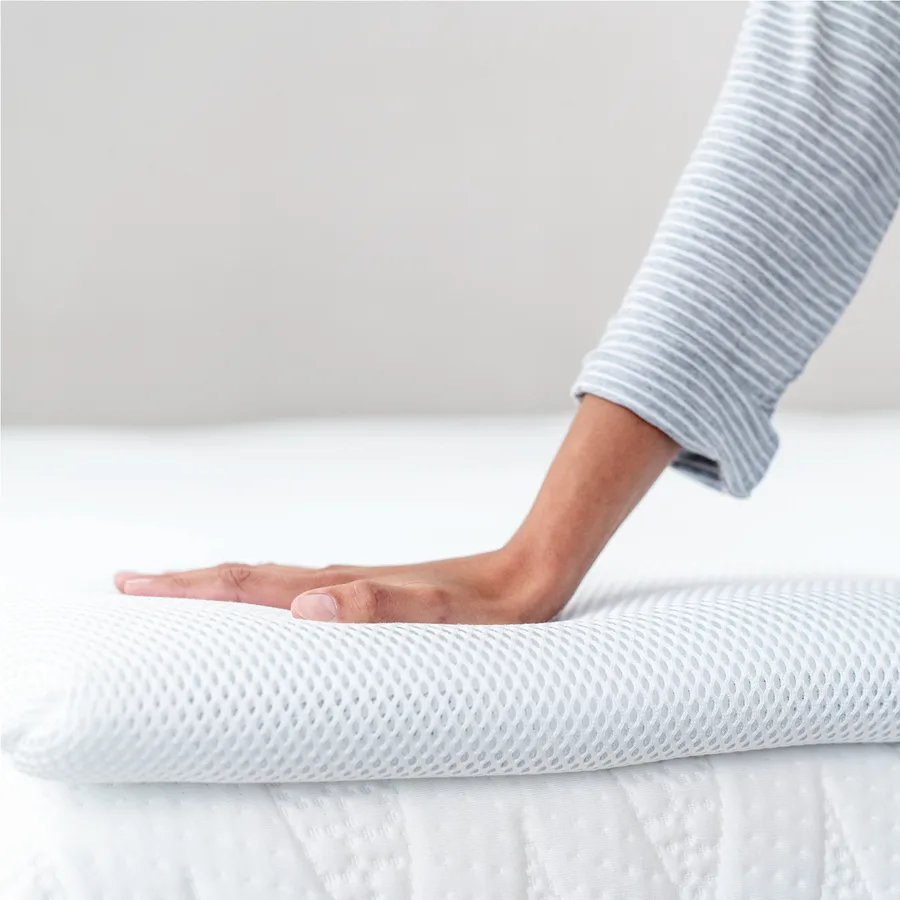
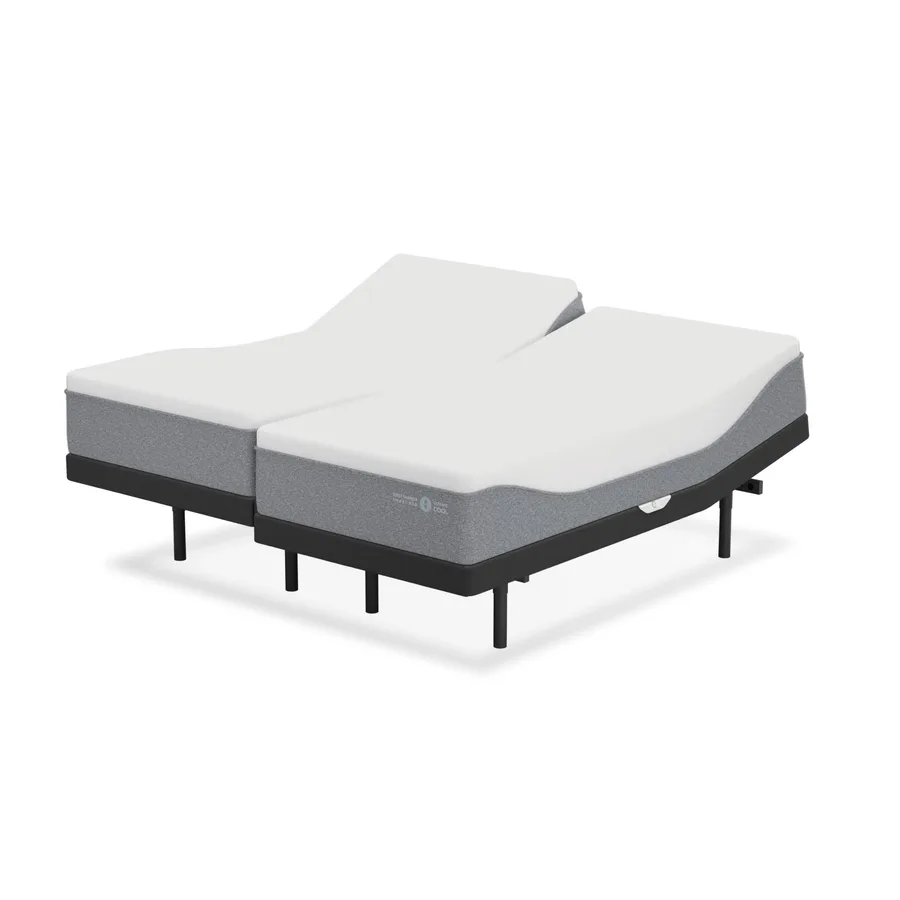
Generated editorial image for layout context; not a product photo and not an Agewell test setup.
TEST FIRST$0-10,000+12 min
Answer-first
Start with a 14-night test: fixed wake time, enough time in bed, morning light, no late caffeine, less alcohol, a cool dark room, and a simple diary. Buy Eight Sleep only if temperature is a repeatable blocker and automation is worth the subscription; buy Chilipad, BedJet or Perfectly Snug if you want temperature control without sleep-score software.
Agewell verdict
Test first. Eight Sleep is the strongest automated full-bed system, but the subscription and price make it a poor first move. Most buyers should run the sleep experiment, fix the room, then choose a simpler competitor if heat or partner temperature mismatch is the only real problem.
The highest-value starting point: fixed wake time, 7-plus-hour sleep opportunity, morning light, earlier caffeine cutoff, less alcohol, cooler room and a diary. It tells you whether the problem is schedule, stimulation, heat or a disorder.
Best if you want water-based dual-zone cooling/heating, sleep tracking, automatic temperature changes, alarms and snore features in one system. The catch is the annual Autopilot plan, data collection and high replacement cost.
Water-based cooling and warming from 55-115F, with a remote, app controls and no subscription. Better than Eight Sleep for buyers who want temperature control without sleep scores or AI.
The practical sweat-and-humidity solution. It blows conditioned room air through bedding, heats fast, dries the sleep microclimate and avoids water tubes. Less elegant, often more sensible.
A fan-based climate topper with dual-zone options, no water maintenance and no app subscription. Worth a look if you want the cooling built into the mattress surface but do not want a hydronic pad.
Only rational if you are replacing the mattress anyway and want active temperature control built into the bed. Too expensive as a first sleep experiment.
The buying rule
Do not start with a smart bed. Start by proving the problem. A bed-cooling system can help a hot sleeper, a cold partner, night sweats or a room that is hard to condition. It will not create an eighth hour of sleep if your calendar only allows six, and it will not treat chronic insomnia, sleep apnea, restless legs, pain or anxiety.
The question is not "does Eight Sleep work?" The better question is "which nightly bottleneck am I paying to remove?" If the bottleneck is heat, dual-zone temperature control can be rational. If the bottleneck is bedtime drift, caffeine, alcohol, light, work stress or untreated snoring, the hardware is late in the sequence.
Use the same buyer logic Agewell applies everywhere: run the cheap test first, buy the lowest-complexity tool that solves the measured blocker, and avoid systems whose subscription turns sleep into another dashboard you have to maintain.
The 14-night sleep experiment
For two weeks, track the things that can actually explain the night: bedtime, wake time, time in bed, estimated time to fall asleep, awakenings, caffeine timing, alcohol, late meals, exercise, room temperature, bedding, and next-day energy from 1 to 5. A wearable is optional. If you use one, trust total sleep and wake trends more than the deep-sleep graph.
Nights 1-3 are baseline. Nights 4-7: fix wake time and protect a realistic sleep window. Nights 8-10: move caffeine earlier, remove alcohol, and finish heavy meals earlier. Nights 11-14: make the room cooler, darker and quieter, then adjust bedding. Only change one cluster at a time, or you will not know what worked.
The pass/fail measure is not a perfect score. It is whether you fall asleep faster, wake less, stop overheating, or feel more functional in the first half of the day. If nothing changes despite enough time in bed, that is a clinical clue, not a shopping prompt.
Method 1: anchor the rhythm
The most boring intervention is also the one people skip: wake up at the same time every day, get bright outdoor light early, and set a bedtime that leaves at least seven hours available. CDC and AASM sleep education both put consistency, enough sleep opportunity and a quiet cool room before gadgets.
Caffeine is the easy test because it is measurable. If sleep is fragile, stop caffeine after lunch for a week before deciding you need a device. Alcohol is the other obvious lever: it may make sleep onset feel easier, but it fragments sleep and can worsen snoring and breathing problems.
Exercise belongs in the plan, but not as punishment for a bad night. Regular movement helps the system; intense late workouts are an individual test. Keep the workout time stable during the experiment so it does not blur the signal from temperature or caffeine.
Method 2: make the room boring
The bedroom should be cool, dark and quiet enough that your nervous system gets no interesting inputs. The National Sleep Foundation still gives the useful consumer range of roughly 60-67F for many adults, while CDC uses simpler language: quiet, relaxing and cool.
Before buying hardware, try the cheap layers: blackout, eye mask, earplugs or white noise, breathable sheets, a lighter duvet, a fan, and a thermostat schedule that cools the room before bed. If you wake sweaty, test whether humidity and bedding are the issue before assuming the mattress must be chilled.
Couples should test separate bedding before separate machines. Two duvets, different blanket weights and side-specific fans solve a surprising amount of "we need a smart bed" tension without adding pumps, water, firmware or subscriptions.
Method 3: use CBT-I when insomnia is the problem
If the pattern is lying awake, worrying about sleep, checking the clock, napping to recover, and spending more time in bed to chase rest, the evidence order changes. Cognitive behavioral therapy for insomnia is the first-line behavioral treatment in AASM guidance; sleep hygiene alone is not the same intervention.
CBT-I can include stimulus control, sleep restriction, cognitive work and relaxation. It is uncomfortable because it changes the relationship with the bed, not because it is complicated. A smart mattress can make the bed colder. It cannot teach your brain that the bed is not a place for two hours of threat monitoring.
This is where a clinician, a trained behavioral sleep provider or a credible digital CBT-I program belongs ahead of a $3,000 cover. Persistent insomnia deserves treatment, not a longer product comparison.
What temperature gadgets actually solve
Temperature matters. Heat exposure is consistently associated with worse sleep in real-world studies, and small trials suggest that improving the thermal environment can affect sleep latency, efficiency, perceived refreshment and some sleep-stage measures. The honest caveat is that many device studies are short, small or product-adjacent.
The practical case is strongest for people with a repeatable thermal complaint: sleeping hot, night sweats, hot flashes, memory foam heat retention, a partner with the opposite preference, or a room where cooling the whole house is expensive or impossible. If you do not have that pattern, the device is solving a problem you have not proved you have.
Active systems split into two types. Water systems change surface temperature and feel more integrated, but add pads, hoses, cleaning and leak anxiety. Air systems move heat and moisture out of bedding, feel less luxurious, but are cheaper and easier to service.
Eight Sleep Pod 5: best when automation is the product
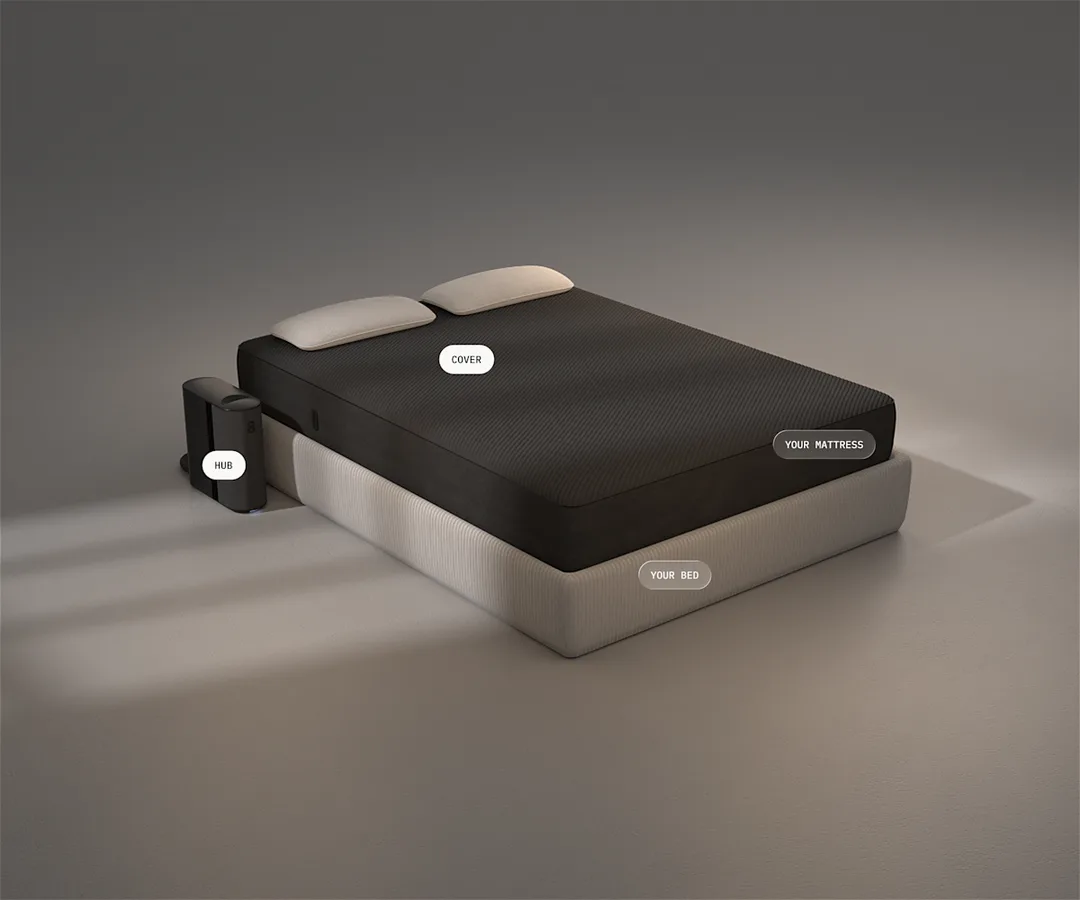
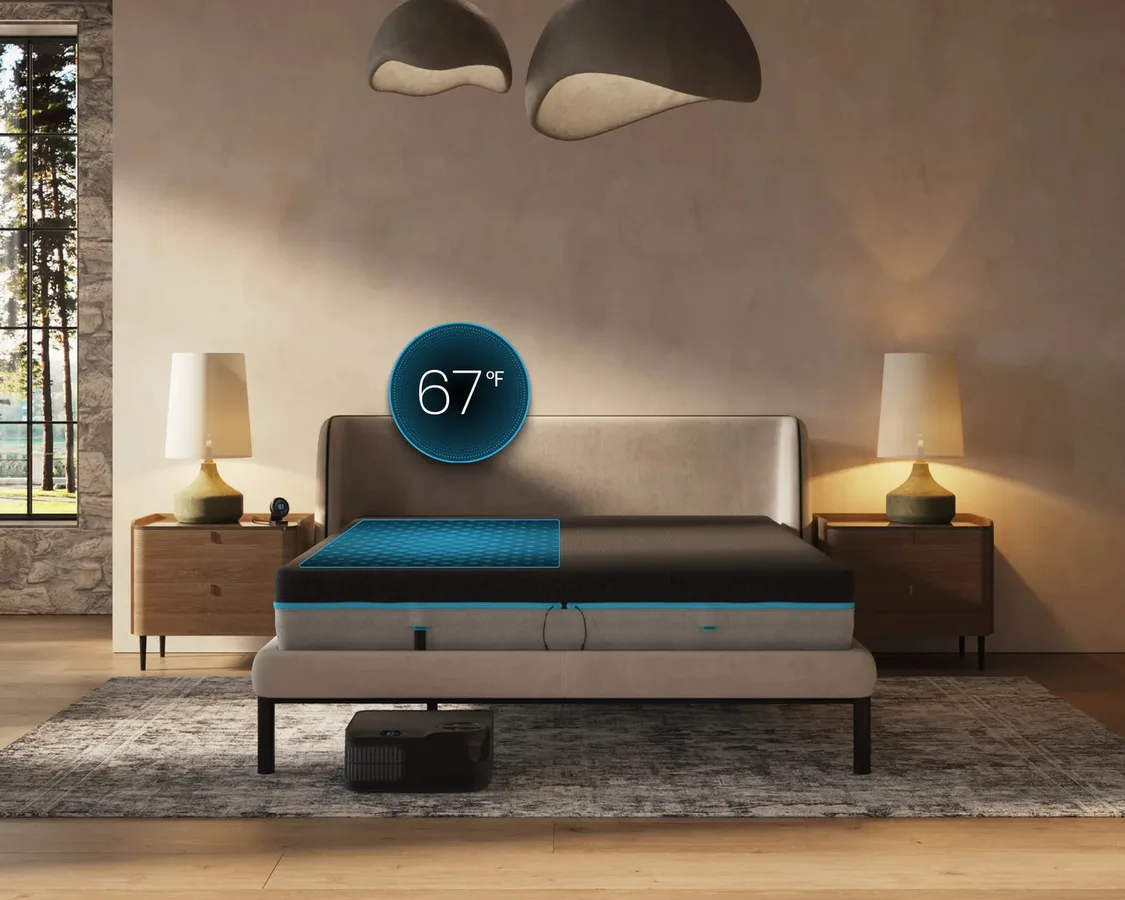
Eight Sleep Pod 5 is the premium automated answer. The current Pod cover sits on an existing mattress, cools or heats each side independently, tracks heart rate, HRV, sleep phases and snoring, and uses Autopilot to adjust through the night. The official page listed cooling to 12C and heating to 43C, a 30-night trial, and annual Autopilot plans from $199 to $399 when checked in July 2026.
The value proposition is not just cooling. It is automation: thermal and vibration alarms, partner-specific temperature, sleep reports, and higher-tier health monitoring. If you want the bed to keep learning your pattern without manual schedules, Eight Sleep is ahead of the simpler competitors.
The objection is equally clear. Autopilot is required for the first 12 months, the annual plan is part of the real price, and the bed becomes another cloud-connected biometric device. If you mostly want "cooler at midnight, warmer at 5 a.m.", Chilipad or BedJet can be the more honest buy.
The competitors: what changes
Chilipad 2.0 is the clean no-subscription water competitor. It cools or heats between 55-115F, includes remote control, can run with or without Wi-Fi, and starts at $1,599. It is the better fit when you want active surface temperature and do not want sleep tracking, AI or an annual software plan.
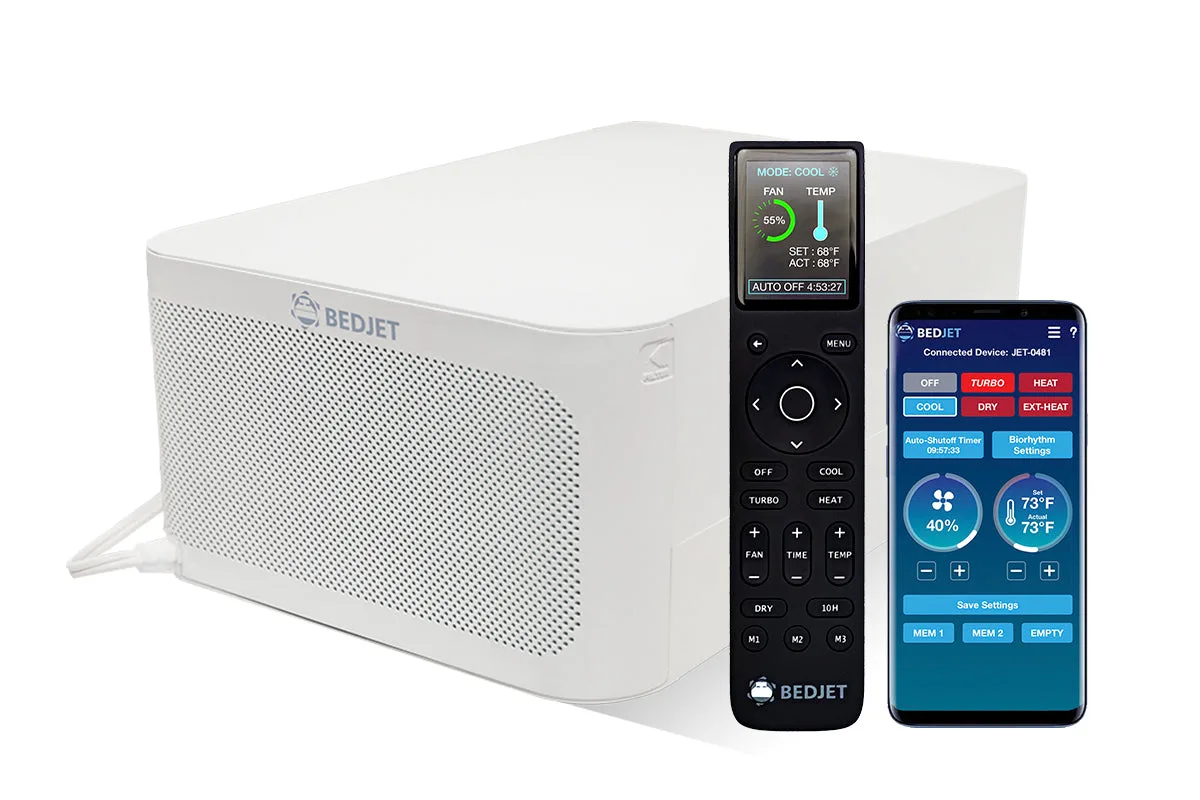
BedJet 3 is the value outlier. It is air-based, with one-unit pricing around $498 on current sale and a dual-zone couple bundle around $969. It does not chill water under your body; it moves air through bedding to remove heat and moisture and warm quickly. That makes it especially practical for sweat, humidity and cold feet.
Perfectly Snug sits between those worlds: a climate topper with built-in fans, dual-zone options and no subscription, starting around $1,499. Sleep Number ClimateCool and Climate360 are the full-mattress route, with sale pricing around $4,887 for ClimateCool and $8,712 for Climate360 in queen when checked. Those make sense only if the mattress replacement is already part of the plan.
Who should skip the gadgets
Skip all of them if the real issue is not enough time in bed. A cooler mattress cannot beat a five-and-a-half-hour sleep opportunity. Skip if the main pattern is insomnia, panic, pain, restless legs, medication side effects, shift work or loud snoring with witnessed breathing pauses. Those are evaluation problems first.
Also skip if you know you hate maintenance. Water systems need care. Air systems need floor space, hoses and fan noise tolerance. Smart systems need accounts, connectivity and subscriptions. A device you resent will not survive long enough to change sleep.
The most overlooked skip case is data obsession. If a tracker already makes you chase sleep stages, adding bed-generated scores may make the anxiety worse. In that case, buy darkness, quiet and a sleep diary before buying another graph.
The practical buying order
First, run the 14-night test. Second, fix the room and bedding. Third, if heat remains the bottleneck, choose the simplest active system: BedJet for sweat and airflow, Chilipad for water-based surface cooling without subscription, Perfectly Snug for an air topper, Eight Sleep for premium automation and tracking, Sleep Number only when you are replacing the mattress.
For couples, buy around the conflict. If one person wants cooling and the other wants warmth, dual-zone matters more than brand prestige. If both people sleep hot, a room-level cooling and dehumidification fix may beat a bed-level device.
The final check before purchase is a sentence: "This device will solve X, which I observed on at least Y nights." If you cannot fill in X and Y, you are not buying sleep. You are buying hope with a return label.
FAQ
Is Eight Sleep worth it?
Yes for hot sleepers or couples who want automated dual-zone temperature, sleep tracking and alarms enough to accept the high upfront price and annual Autopilot plan. No if you only need simple cooling or have not tested the free sleep levers first.
What is the best Eight Sleep alternative?
Chilipad 2.0 is the clearest water-based no-subscription alternative. BedJet 3 is the cheaper air-based pick for heat, sweat and humidity. Perfectly Snug is the air-topper option if you want cooling built into the sleep surface.
Does a cooler bedroom improve sleep?
Often, especially for hot sleepers. Many sleep organizations recommend a cool, dark, quiet room, and heat is associated with worse sleep quality and quantity. The useful test is personal: lower the room temperature and bedding heat for a week and track awakenings.
What should I try first to sleep better?
Set a fixed wake time, protect at least seven hours in bed, get morning light, stop caffeine after lunch, avoid alcohol before bed, keep the room cool and dark, and keep a sleep diary for two weeks.
Is BedJet better than Chilipad?
BedJet is better for moving heat and moisture out of bedding, lower cost and easy maintenance. Chilipad is better if you want the mattress surface itself cooled or warmed by water and prefer a quieter, more integrated feel.
When should I see a doctor about sleep?
If insomnia persists despite enough sleep opportunity, or if you snore loudly, gasp, stop breathing, have restless legs, unusual movements, severe daytime sleepiness, pain, medication issues or mood symptoms, get medical evaluation before buying devices.