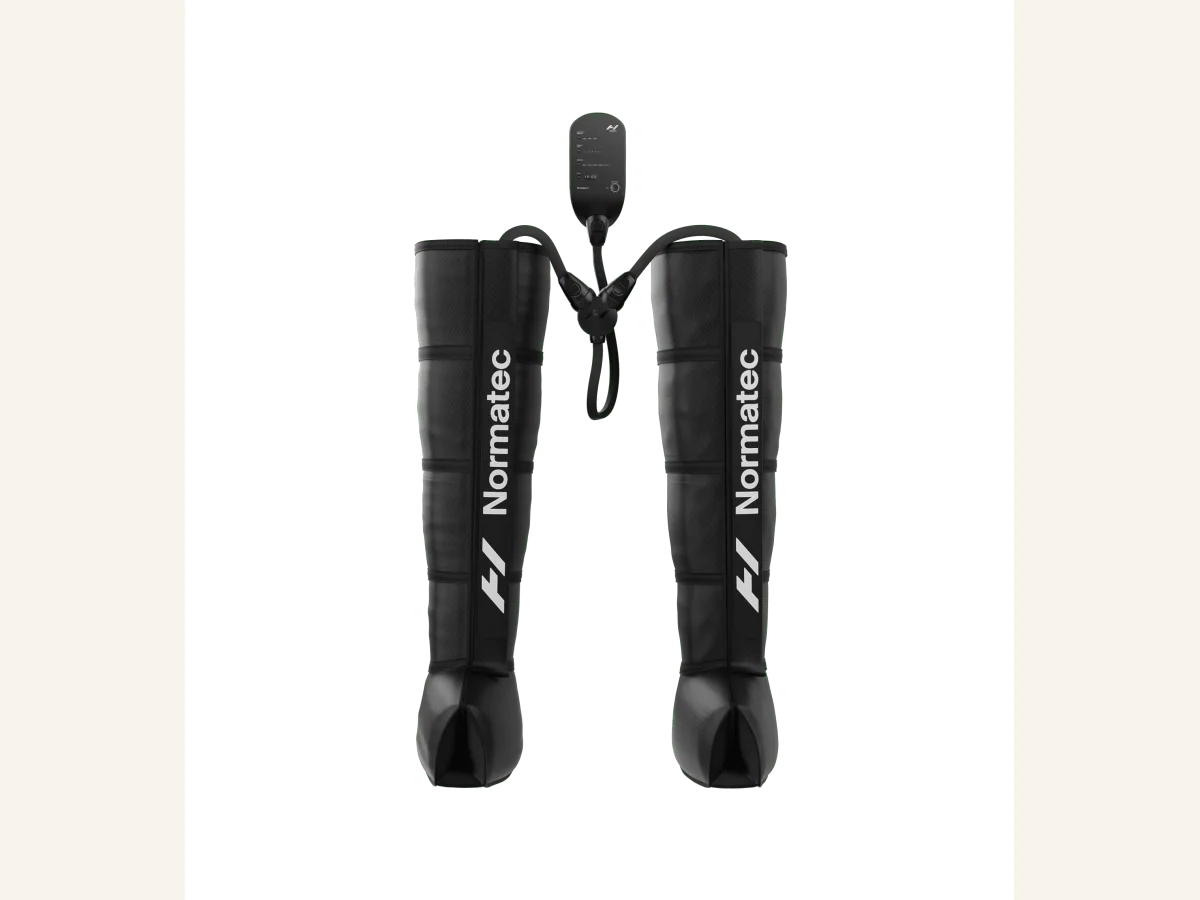
Default premium pick
Hyperice Normatec 3 Legs
~$799The category reference point: polished, widely used and expensive. Buy for ritual and soreness, not proof of faster adaptation.
Buying guide · Worth it / recovery
Compression boots feel premium because they do something obvious: they squeeze your legs and make you sit still for twenty minutes. That can be useful. The evidence is narrower than the price tag: less perceived soreness, weaker proof that performance returns faster.
Compression boots are worth considering if you train hard, travel often, or value a 20-minute soreness-reduction ritual; they are a poor buy if you expect proven performance recovery or longevity effects.
Fun, not foundational. Pleasant soreness relief at a high price; sleep, training load and walking still outrank the boots.
The category reference point: polished, widely used and expensive. Buy for ritual and soreness, not proof of faster adaptation.
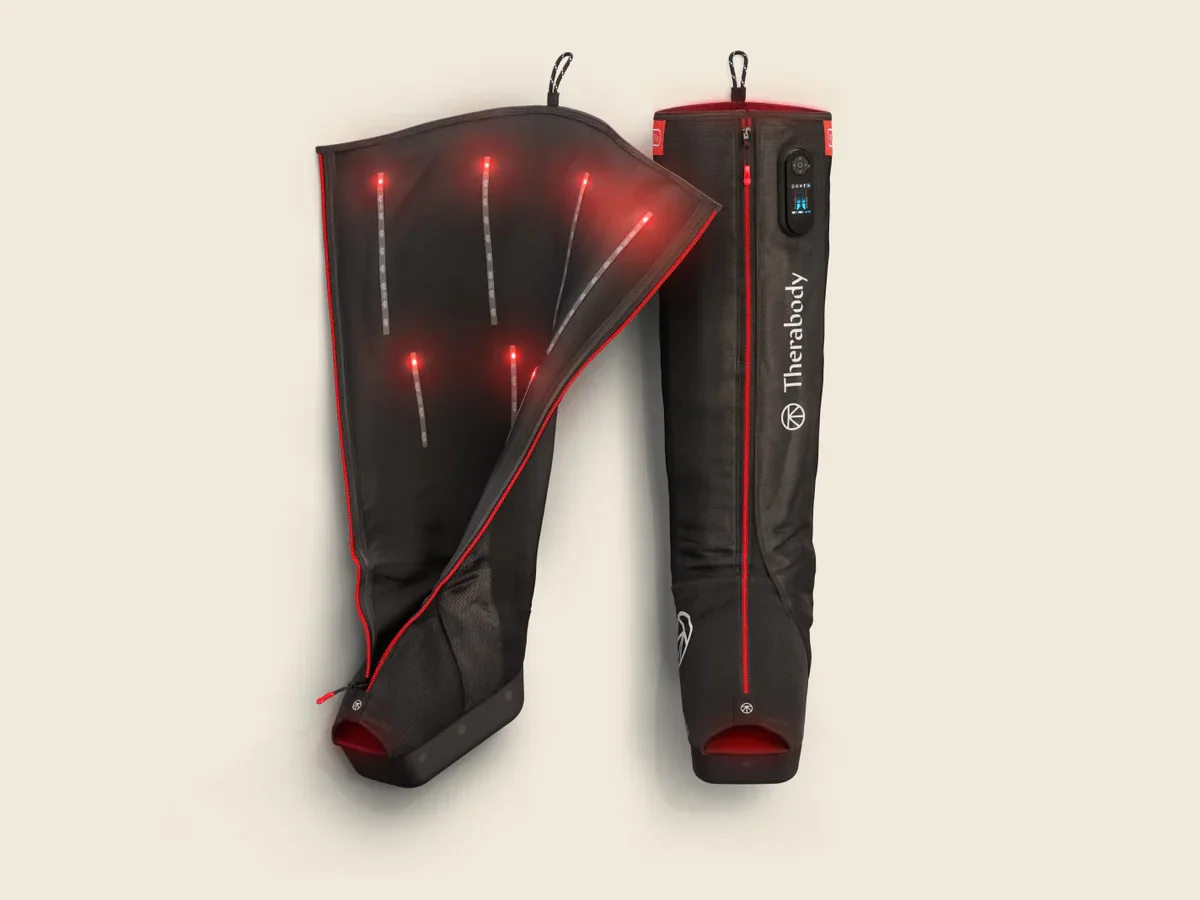
Cleaner if you want wireless boots and a premium app ecosystem. The evidence case is category-level, not brand-specific.
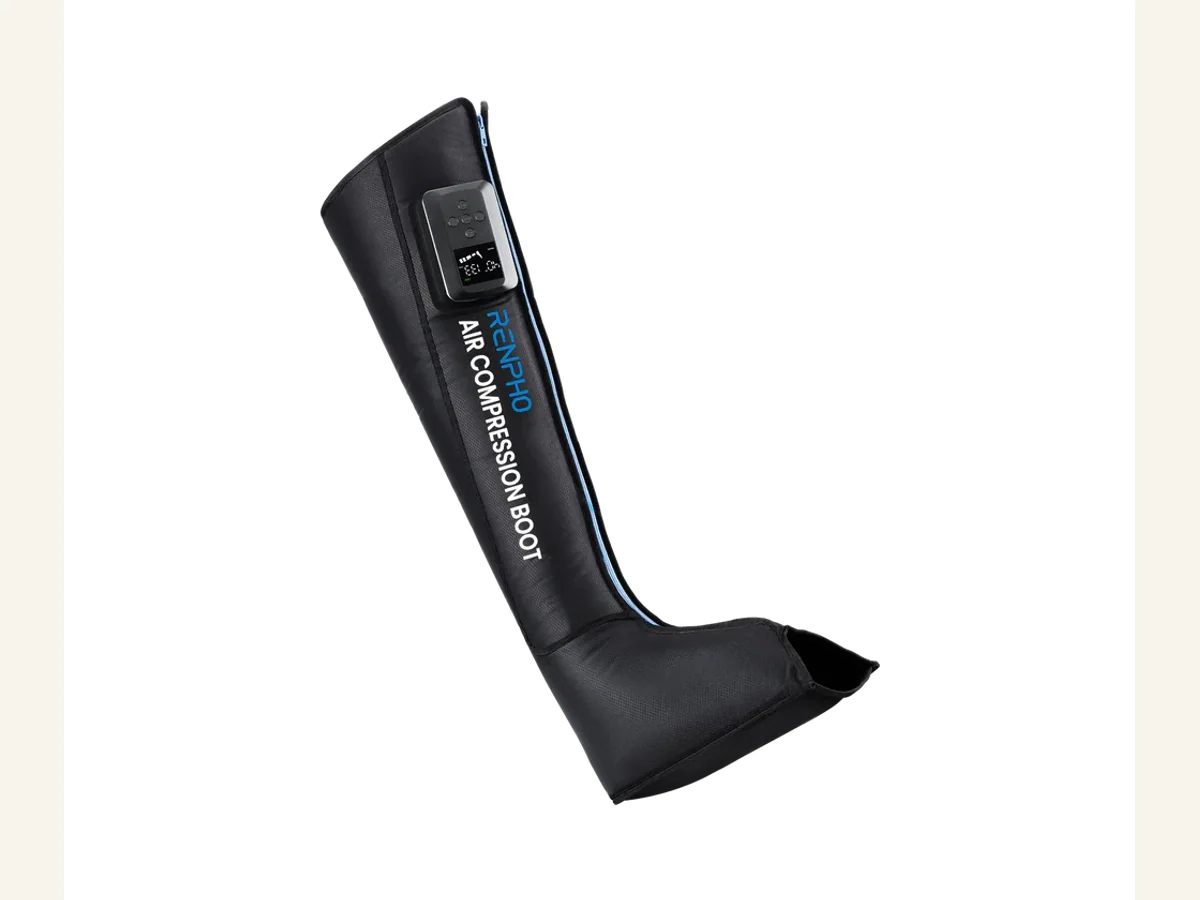
Tempting, but check pressure range, sequential compression, warranty and return terms. Cheap squeeze is not the same as a serviceable recovery tool.
Intermittent pneumatic compression can reduce perceived soreness after training. For endurance athletes, frequent flyers and people who simply like the ritual, that is a real quality-of-life benefit.
The clean use case is after hard sessions or travel, not immediately before strength work and not as a substitute for load management.
The 2024 systematic review and meta-analysis found potential recovery effects mainly around perceived soreness, while noting that strong scientific support is still limited for broader sports-recovery claims.
Do not buy based on “flushes lactic acid” copy. Lactate is not the simple waste product the marketing implies, and performance recovery is harder to prove than a nice squeeze session.
Skip, or ask a clinician first, with suspected DVT, blood clots, uncontrolled heart failure, severe peripheral artery disease, infection, acute injury, open wounds, or unusual swelling. Medical compression is not casual wellness when vascular risk is present.
Budget-sensitive buyers should spend first on sleep, training programming, walking, protein and a blood-pressure cuff. Those actually change more decisions.
They can reduce perceived soreness and make legs feel better after hard sessions or travel. Evidence is weaker for faster performance recovery or broad physiological benefits.
Normatec is worth it if you will use the ritual often and the price is not a stretch. It is not worth it as a core longevity purchase.
They can be inappropriate with clot risk, vascular disease, heart failure, infection, acute injury or unexplained swelling. Get medical clearance if any of those apply.
By David Persson · Updated 2026-06-12 · Corrections: hi@agewell.guide
The Agewell Briefing
A sourced weekly read on longevity products, clinics and research, with a clear answer on what is worth trying.
One email a week. Unsubscribe with one click.