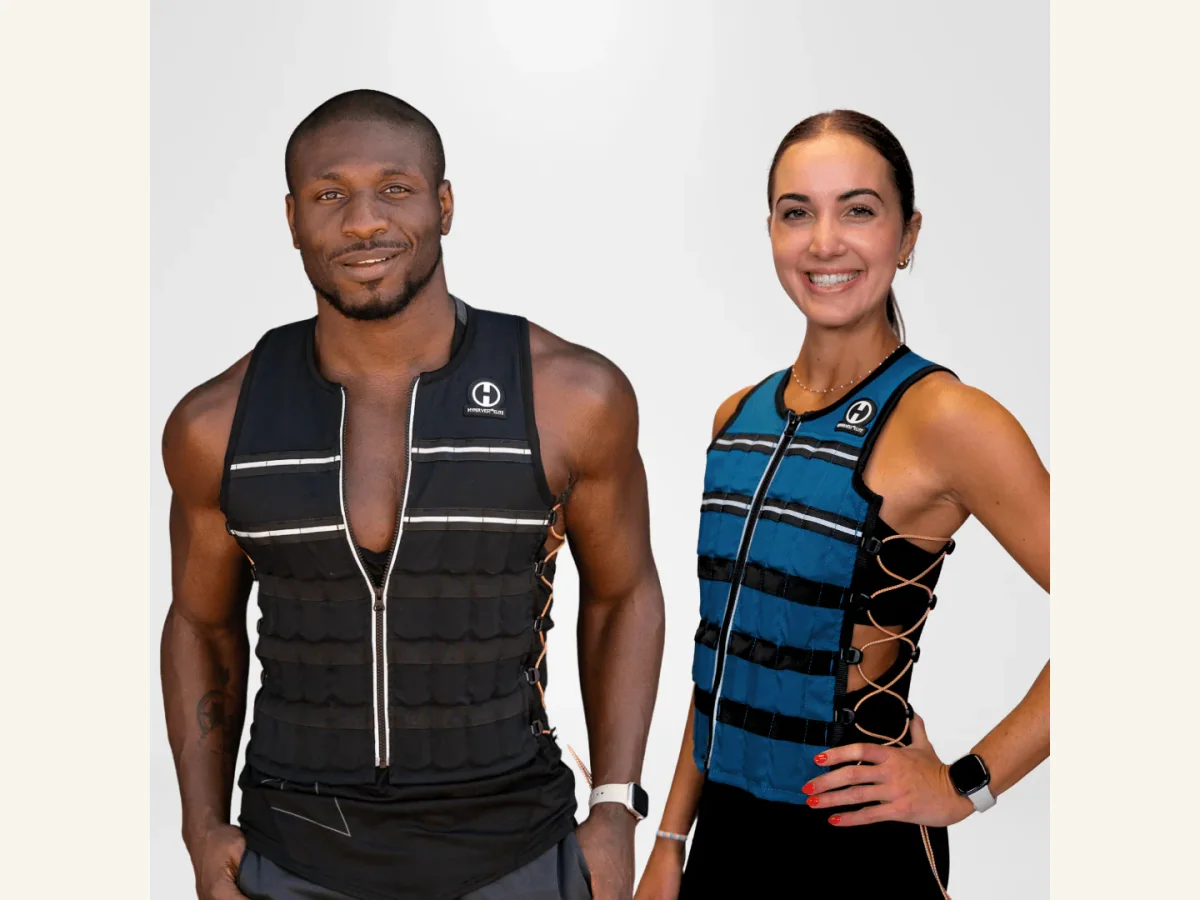
Close-fit pick
Hyperwear Hyper Vest Elite
~$230-350Best fit for walking and bodyweight work because the load sits close and distributes evenly. Good affiliate fit, but the editorial case comes from fit, not commission.
Buying guide · Best / buy / menopause bone density
A weighted vest is honest hardware: it adds load. That can make walking, stairs and bodyweight work more useful. It does not make the sidewalk an osteoporosis clinic. The rational buy fits close, progresses slowly and does not change your gait, knees or back.
Buy a weighted vest if it helps you add progressive load to walks or bodyweight training you already do well; start around 5-10% of body weight, and do not buy it as a replacement for resistance training or medical osteoporosis care.
Useful for progression. Oversold for bone density. The vest is an accessory to training, not the intervention.
Best fit for walking and bodyweight work because the load sits close and distributes evenly. Good affiliate fit, but the editorial case comes from fit, not commission.
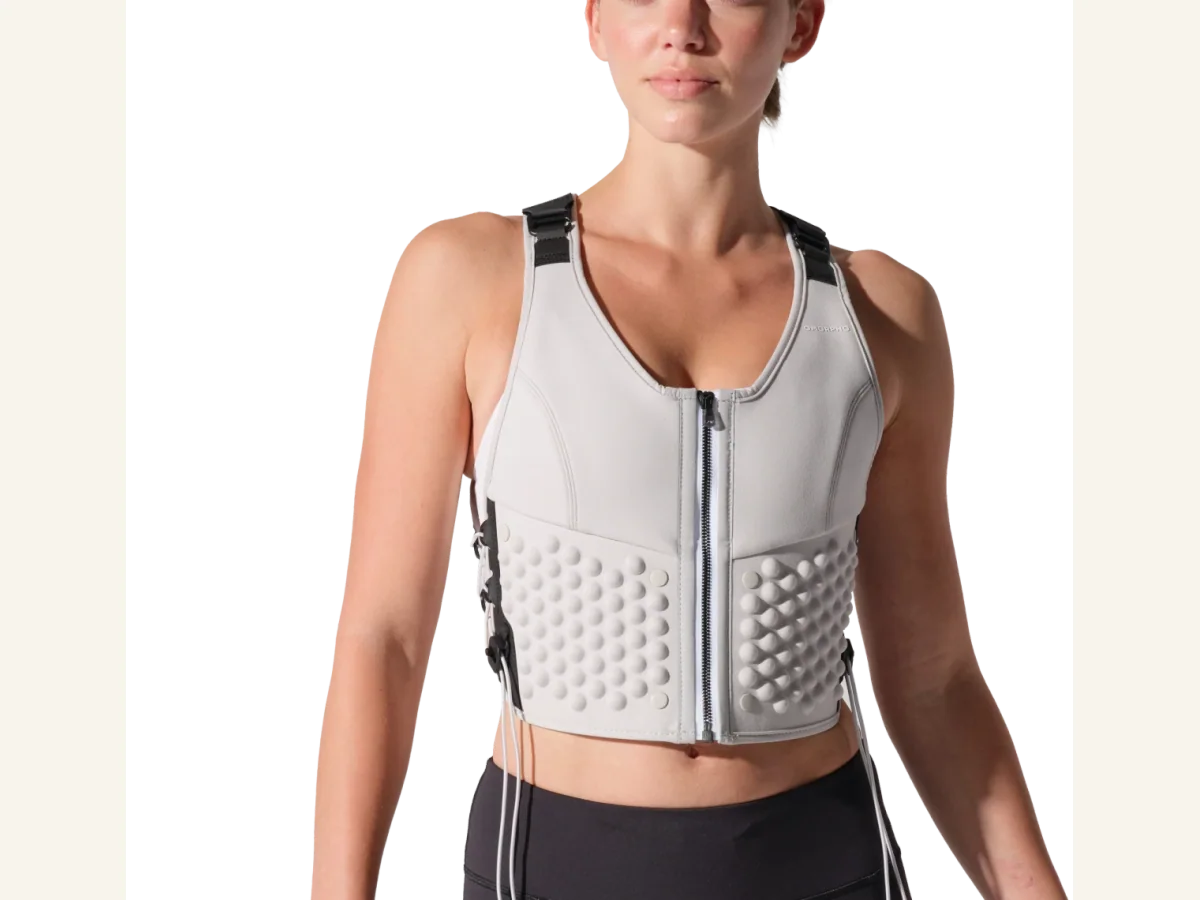
Better for people who hate a tactical vest shape and want distributed micro-load. Less adjustable than a classic vest.
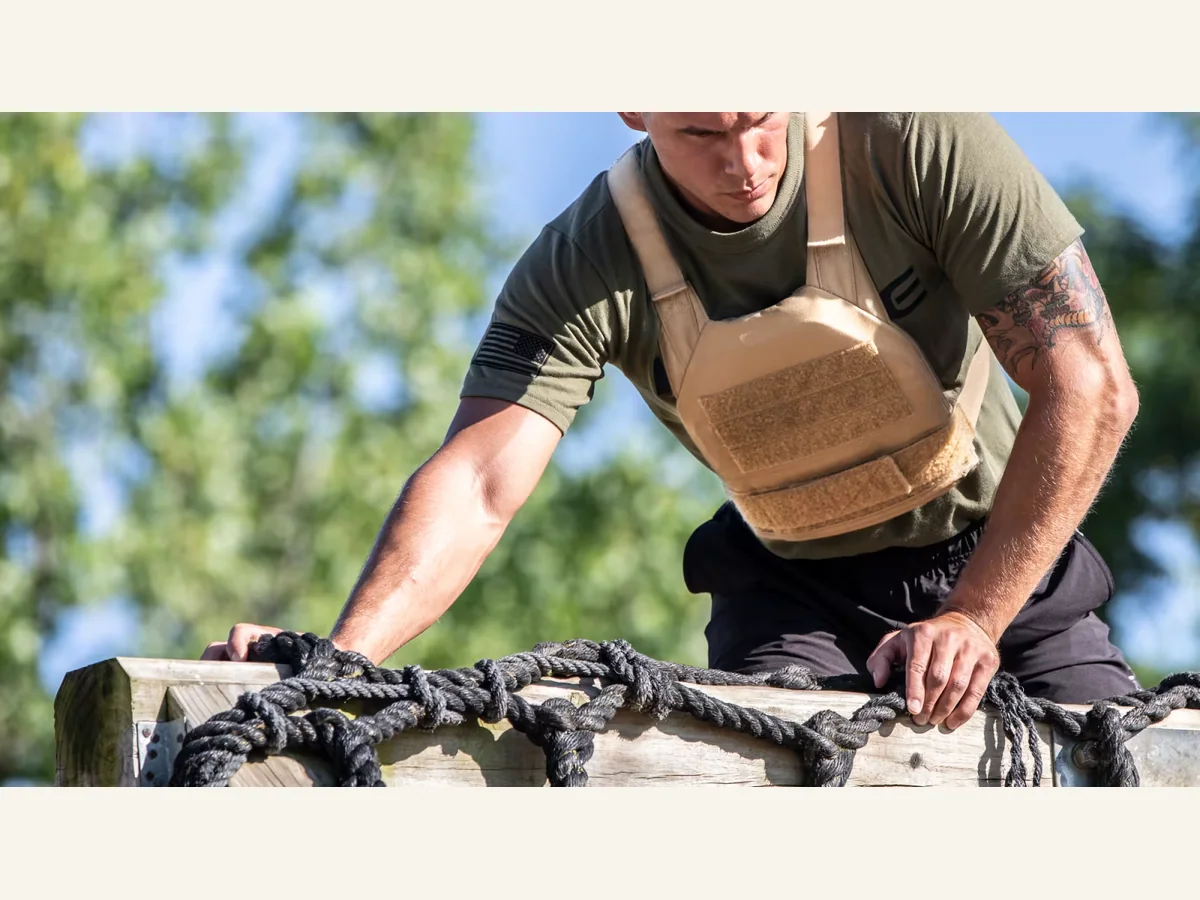
Good for fit, durability and heavy loading. Overbuilt for a 60-year-old who only needs a gentle walking progression.
Buy the lightest vest you can progress, not the heaviest vest you can brag about. The useful range for most older or bone-density-minded users starts around 5-10% of body weight, increased slowly.
A good vest sits close to the torso, does not bounce, lets your arms move, and allows small increments. A bad vest changes gait, pulls the shoulders forward and turns a walk into knee/back irritation.
Weighted loading can improve exercise intensity and may help strength, balance and function when paired with weight-bearing work. The bone-density case is mixed. A 2025 randomized trial in older adults with obesity did not find that weighted vest use prevented weight-loss-linked bone loss at the hip.
That does not make the vest useless. It means the claim should be smaller: useful progressive overload, not a proven osteoporosis treatment.
Skip, or get clinical clearance first, with severe osteoporosis and prior fracture, balance problems, uncontrolled cardiovascular or lung disease, acute back/knee/hip pain, recent surgery, or a gait that changes as soon as load is added.
If you are already strength training well, the vest is optional. Squats, hinges, carries and jumps under supervision remain the stronger bone-and-muscle tool.
Hyperwear runs an Awin affiliate program and provides product assets. That makes it commercially workable for Agewell, but it does not change the verdict: link only if fit, adjustability and return terms make sense for the reader.
Maybe in some structured weight-bearing programs, but the evidence is mixed and not strong enough to call a vest an osteoporosis treatment. Use it as progressive load, not as medical care.
For most older adults and beginners, start around 5-10% of body weight, or lighter if balance, joints or osteoporosis are concerns. Increase slowly only if gait stays clean.
A close-fit vest is usually easier on posture and balance than a loose backpack. A ruck can work, but load placement and fit matter more than the label.
By David Persson · Updated 2026-06-12 · Corrections: hi@agewell.guide
The Agewell Briefing
A sourced weekly read on longevity products, clinics and research, with a clear answer on what is worth trying.
One email a week. Unsubscribe with one click.